
River Test: Anatomy of a Chalk‑Stream Tradition
River Test, Hampshire — the chalk‑stream everyone names first
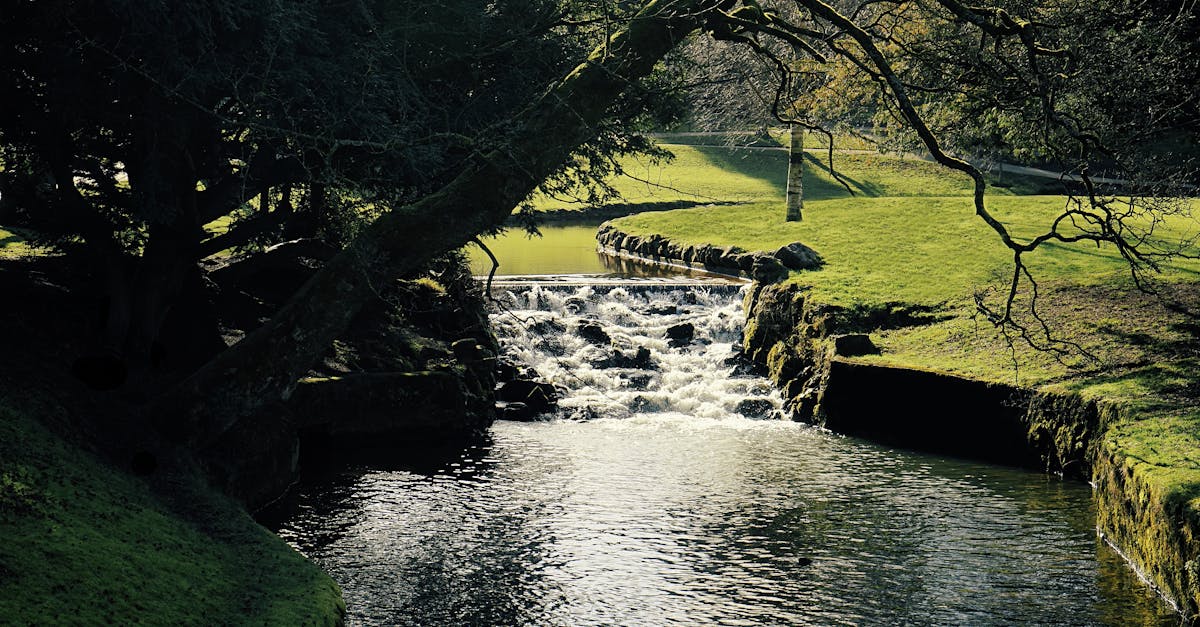
Water so clear the gravel reads like print. The River Test runs on limestone‑rich chalk, cool and steady, and it makes brown trout that live bold and bright. Walk a private beat here and the geometry of the stream dictates the tackle: long leader, fine tippet, a delicate touch with the rod.
Chalk streams shaped the language of modern fly angling. Frederic M. Halford insisted on the dry‑fly as art. G. E. M. Skues introduced nymph tactics as craft. Their debates refined presentation, not just philosophy, and anglers still fish both ways where water is this honest.
Why chalk streams fish differently
Stable temperature. Mineral springs. Beds of clean gravel and wide ribbons of water crowfoot. Insect life runs like clockwork: Mayfly hatches that call for an upstream dry presentation, sedge and caddis that favour a patient drift. Trout here see everything and forgive little.
The tradition is low drama and high attention. Walk light. Approach from downstream. Read lies by the colour of the riverbed. The surest moment is a single upstream dry cast at dusk when a Mayfly lift turns the glass to silver and the trout takes without a sound.
Recommended: breathable fishing waders