
River Test and the Birth of Chalk-Stream Fly Fishing
The River Test near Stockbridge still sets the standard for chalk-stream trout fishing
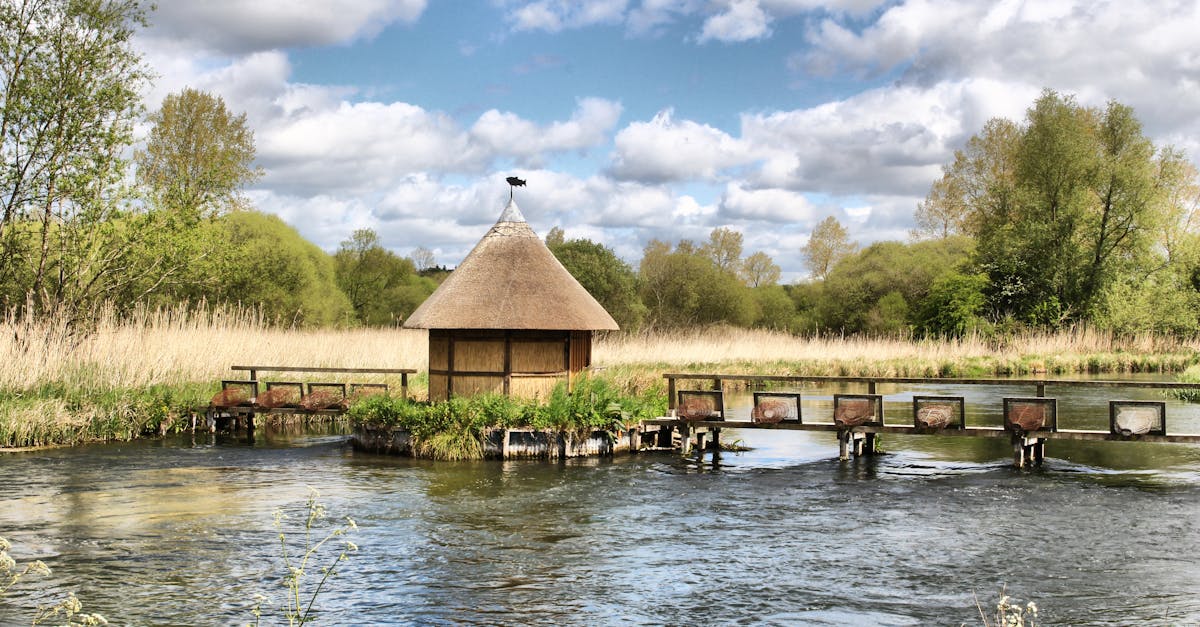
The Test is spring-fed, gravel-bottomed and famously clear. Its riffles and long glides hold wild brown trout and grayling in water that moves like glass. The place taught a style of fishing: delicate casts, close study of rise forms, and a reverence for dry-fly presentation that reads like a ritual.
Frederic M. Halford codified the dry-fly approach on the Test and neighbouring chalk streams, turning delicate artificial flies into an art. A generation later G.E.M. Skues argued for nymphs under the surface. The debate shaped tackle choices, the etiquette of beats and the way anglers watched the river.
Technique and gear
Chalk-stream technique demands a light, accurate cast and patient observation. Leaders are fine. Flies are small. The working rhythm favours the single-handed rod and careful wading—creeping the margins, reading soft seams where trout hold. The angler moves slow and thinks in currents.
On any Test beat a ripple tells a story: a rising trout, a drowning mayfly, a careful mend to stop drag. The scene is precise, almost surgical, and the reward is a flash of bronze from gravel and a partnered silence as the line goes slack under a willow.
Recommended: waterproof breathable waders