
River Test: where chalk-stream flycraft learned its name
River Test: where chalk-stream flycraft learned its name
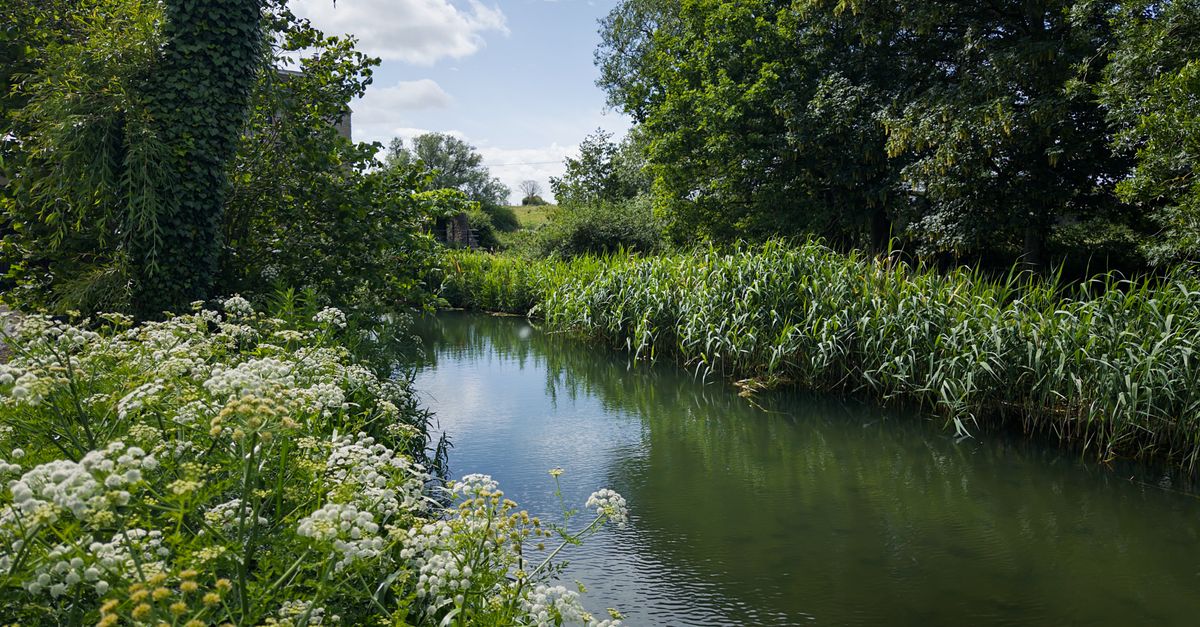
River Test runs through Hampshire clear as glass, a chalk stream that taught anglers how to read rising brown trout. Water filtered through chalk keeps the flow steady and cold, so insect hatches are precise and trout behaviour becomes a study in detail. Margins of weed and shallow gravel hold grayling and pike; beats on the Test are measured in lies and presentation rather than sheer water.
Anglers arrive with a fly rod and a quiet confidence. The March brown and other classic dries were tied here to match exact hatches. Success on a chalk stream is about drift, a touch of slack, and the right leader/ tippet combo; a perfect drift will turn a shadow into a rise.
Technique and personalities
Frederic Halford's championing of upstream dry-fly work shaped the craft on the Test, while proponents of nymphing developed subtler under-surface tactics for fish that would not rise. The debate played out on the water: rods bent, lines threaded, rivercraft refined. Patterns, casts and etiquette forged here became templates for anglers worldwide.
The modern scene still values clarity and insect life over headline catches. At dawn a rise rings like a bell; by noon waders are often damp and the fly rod rested across the knee, the line coiled and ready for the next drift.
Recommended: waterproof breathable waders