
River Test: Chalk-Stream Secrets of Wild Trout
The River Test, that clear, gravelled ribbon in Hampshire, made dry‑fly fishing a craft and keeps wild brown trout honest.
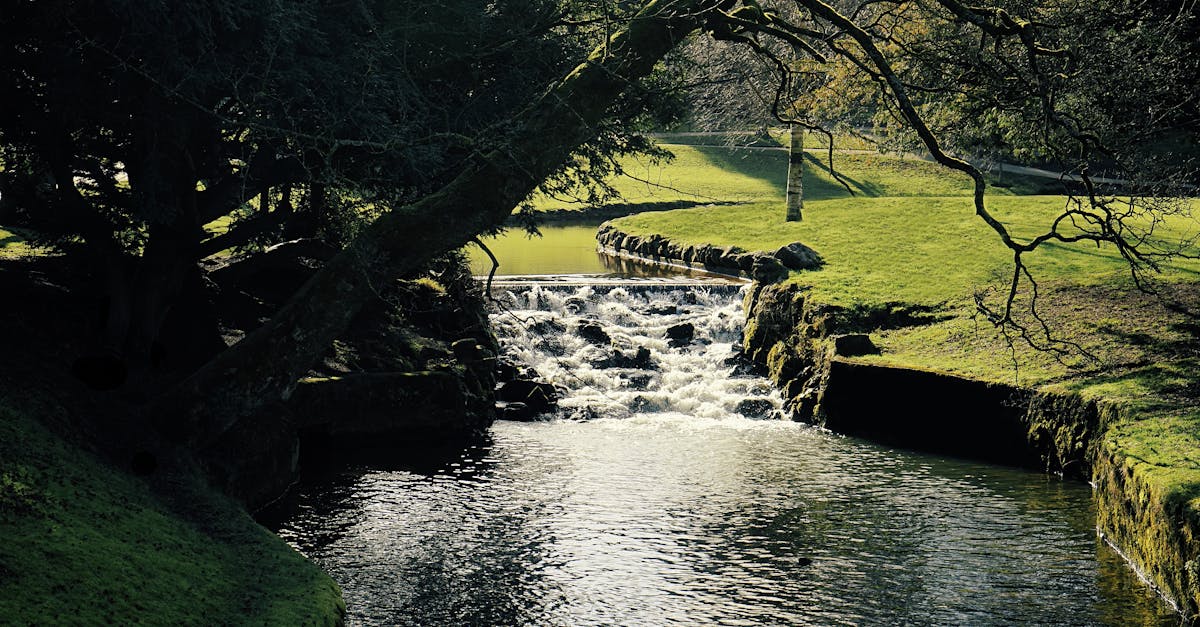
Water runs here with a soft, mineral clarity. Chalk aquifers feed steady flow and cool temperature. Gravel beds, water crowfoot and mayfly hatches set the stage. Anglers call it a blueprint: visibility is so high a trout will inspect a fly for seconds.
Tactics and Tradition
The Test shaped techniques. Gentle presentation beats brute power. Long leaders, delicate tippets and precise mends matter. Tradition sits beside invention: dry flies for rising fish, subtle nymphs for the deeper lies. Bankcraft and stealth determine the day as much as tackle.
Beats run through meadows and flint hedgerows. Landowners, keepers and visiting rods have kept close watch on fishable lies. Brown trout and grayling read the water; a well‑placed cast to a seam can produce that sudden, high‑pitched run anglers prize.
Ecology gives the river its voice. Chalk filtering delivers insect life in abundance: mayfly, caddis and sedge. Those food webs make every rise meaningful. At first light a dry fly disappears and the line sings — a trout surges from crystalline depths into the pale Hampshire air.
Recommended: lightweight graphite rod