
River Test and the Chalk-Stream Way
River Test at Stockbridge — clear, shallow, legendary
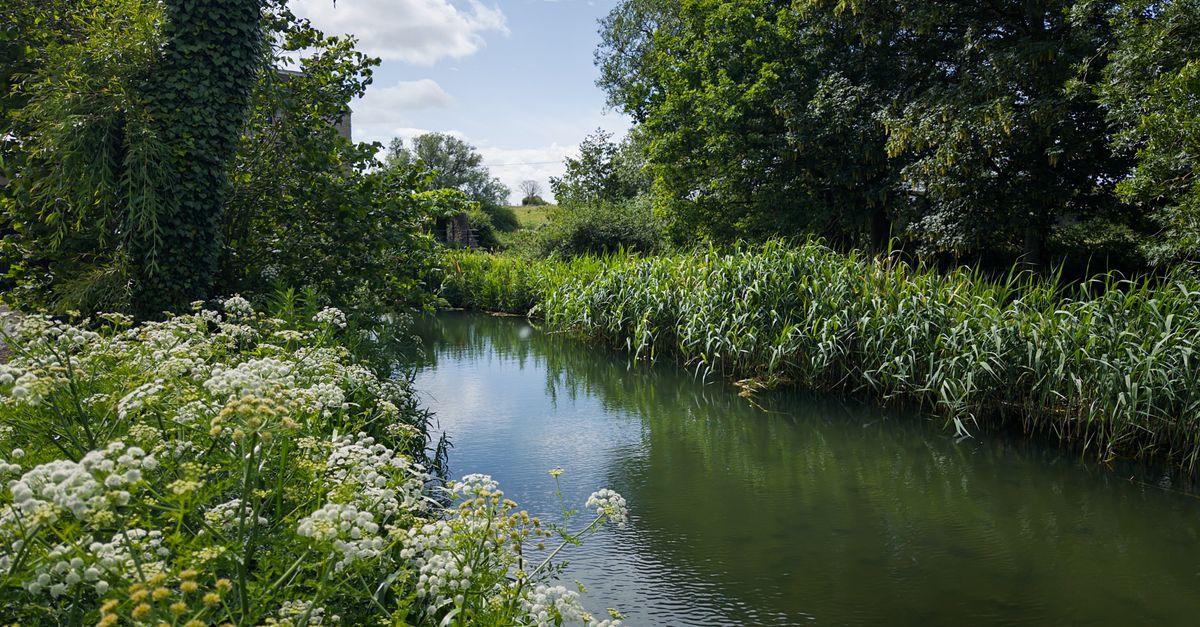
River Test at Stockbridge runs as clear as a spirit glass and moves with the steady patience of chalk-fed springs. Its gravel beds and steady flow created a style of fishing focused on sight, stealth and the perfect presentation. Brown trout and grayling are the stars here; pike appear where the channel widens and pools form.
The technique: light touch, long leader
Anglers on chalk-streams read water like a book. Presentation matters more than power. A long, supple leader and a single-handed fly rod deliver an upstream presentation that flatters wary trout. Dry-fly fishing dominates on calm days; nymphs under an indicator win when the river runs low and clear. Flies tied from CDC, hare’s ear and soft hackle imitate the life that rises from the gravel.
Beats and estate fishing polished the method. Fishery keepers seeded knowledge about lies, gravel seams and the precise speed a fly must travel past a trout’s nose. It became less about brute force and more about observation: which riffle holds a feeding lane at first light, which glide hides fish in afternoon shade.
Gear stays elegant and minimal. A good waders setup for quiet stalking, a tapered line for delicate turns, a fly box organised by hatch — these are the tools of the trade. The chalk-stream way exports its lessons to clear rivers worldwide: read the light, match the hatch, and watch the surface for the lift of a brown trout taking a dry fly.