
Chalk-stream legacy of the River Test
Chalk-stream legacy of the River Test
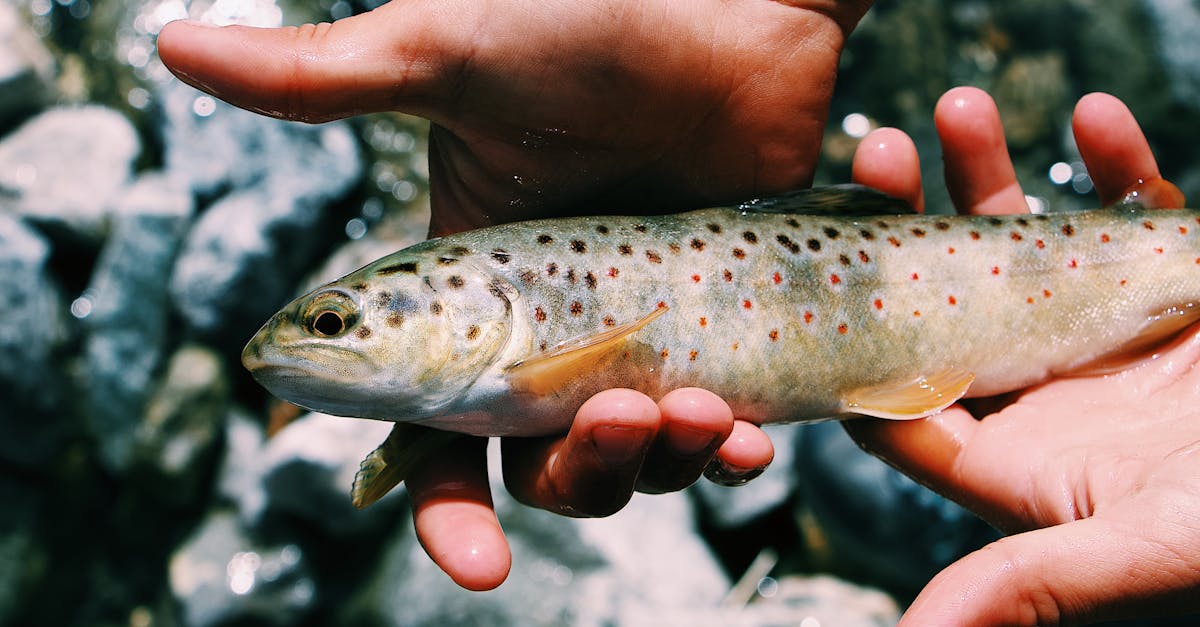
The River Test in Hampshire remains the exemplar of British chalk-stream fly fishing. Its gin-clear shallows, typically 2–4 feet deep over weed-fringed gravel, provide habitat for brown trout (Salmo trutta) and the celebrated mayfly hatches that framed Victorian angling.
Origins of the dry-fly
In the 1870s–80s around Stockbridge, F.M. Halford refined upstream dry-fly technique on beats such as Testcombe. Patterns like the Coachman and Greenwell's Glory, dressed on size 14–18 hooks, were developed for May–June hatches. Halford's Floating Flies and How to Dress Them amplified long leaders and delicate casts along the Test's silky 40-mile flow.
Keepers and beats
River keepers on estates from Broadlands below Romsey to intimate headwaters at Polhampton passed practical lore generation to generation. They seined fry from redds, reared peggies of 4–6 inches in keeper's ponds, and stocked beats with 1–2 lb browns, hand-feeding cheese paste or maggots at dawn. Lower reaches drew sea-run brownies of 3–5 lbs and seasonal Atlantic salmon, and beats such as Bossington produced wild fish of 4–6 lbs on olive duns.
Kitchen and folklore
Tradition links rivercraft and cooking: pan-fried Test brownies crisped over willow fires, chalkstream grayling smoked and served with bank watercress, or luce poached in cider for winter supper. Folklore of spectral keepers and evening rises still colors modern beats, a cultural current as enduring as the stream itself.
Recommended: traditional cane rod