
Dry-Fly and Chalk: The River Test Tradition
River Test: crystal-clear chalk stream and dry-fly lore
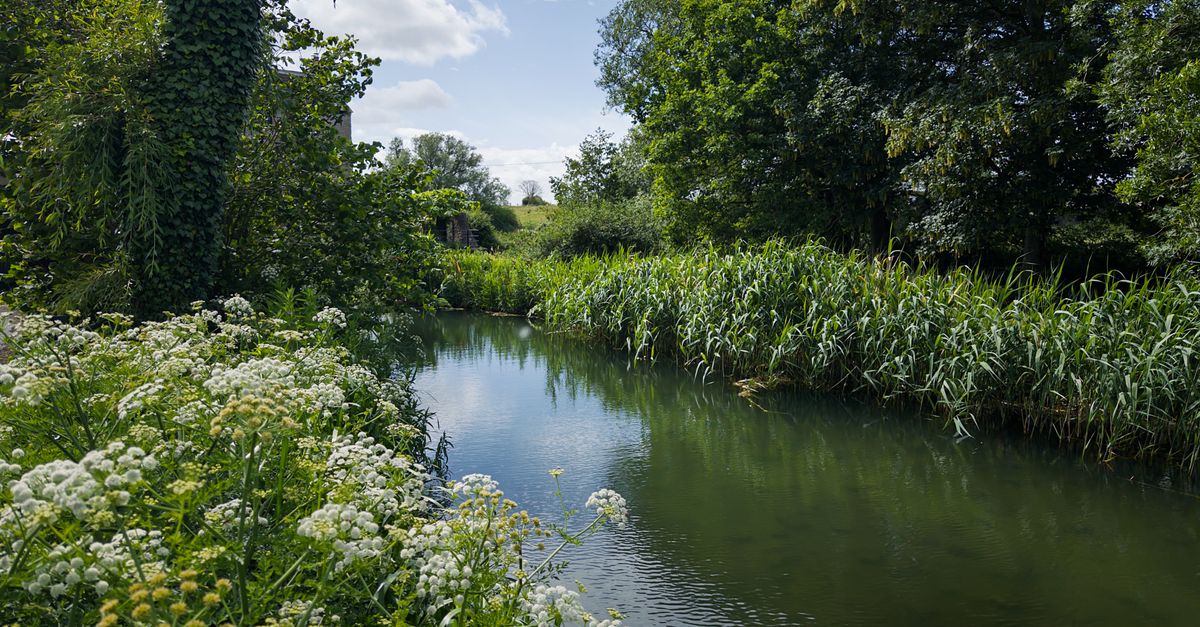
The River Test runs through Hampshire like a polished ribbon: clear water over flint, grassy margins and watercress beds. Anglers come for brown trout that see every hackle and count every inch of drift. The chalk stream is a place where technique matters as much as patience.
Dry-fly fishing found its finest expression here. Frederic M. Halford taught the upstream dry-fly as doctrine — impeccable presentation, single-hook flies, and the sacred rise. G.E.M. Skues quietly pushed back with careful nymphing, insisting trout often feed below the surface. The argument shaped modern flycraft.
Fish, flies and the craft
Mayflies rule the calendar. A glassy rise in late afternoon will pull every angler into a crouch. Presentation is everything: line control, feathered flies tied small, a light rod and steady hands. The brown trout on the Test are wary and selective; success reads like a litany of small adjustments.
Gear is simple but specific. A slender 9ft rod with delicate tip, soft tapered leader, fine tippet and waders that allow a quiet approach are staples of the stream. Boats rarely appear; this is stalking, sight and subtlety.
An angler on the Test remembers the sound first: a raindrop of a trout breaking the mirrorlike surface, the fly gone and the shadow slipping back into glassy flow.