
River Test: Where the Dry-Fly Doctrine Took Hold
River Test, Hampshire — chalk-clear, lined with watercress beds and trout lies.
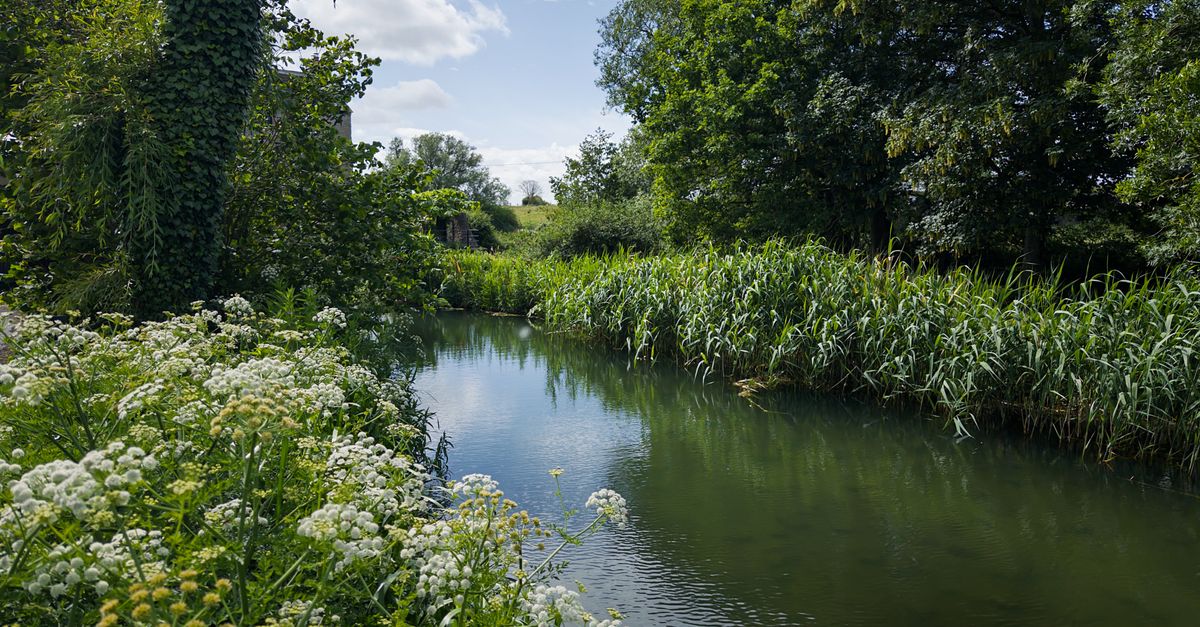
The River Test defined a style of angling that became unmistakably English. Brown trout, grayling and the occasional pike live in its cool, filtered flows. The Test and its neighbour the Itchen set the terms: a gentle presentation, a hovering dry fly, a light rod, neat leader work and hours spent reading seams and riffles.
Origins and the dry-fly doctrine
Frederic M. Halford forged the dry-fly doctrine on these waters. Dressing flies to float perfectly, he insisted on imitating surface insects and presenting them upstream to a rising trout. That purist approach shaped tackle, technique and etiquette along chalk streams across southern England.
G.E.M. Skues later argued for nymph work — for trailing subsurface imitations where trout fed unseen. The two schools changed the conversation rather than ending it. Today anglers blend both: a dry-fly to tempt, a nymph to prospect, quick changes on the leader fine-tuned to the hatch.
Practitioners still tie March Browns, Parachute Adams and a host of local patterns that match the chalk-stream insect life. Waders get wet. Flies get reborn in boxes. A single well-placed dry fly drifting over the glassy Test, and a brown trout inhales with a soft, decisive pause in the surface film.
Recommended: breathable chest waders