
River Test and the Dry-Fly Revolution
River Test and the Dry-Fly Revolution
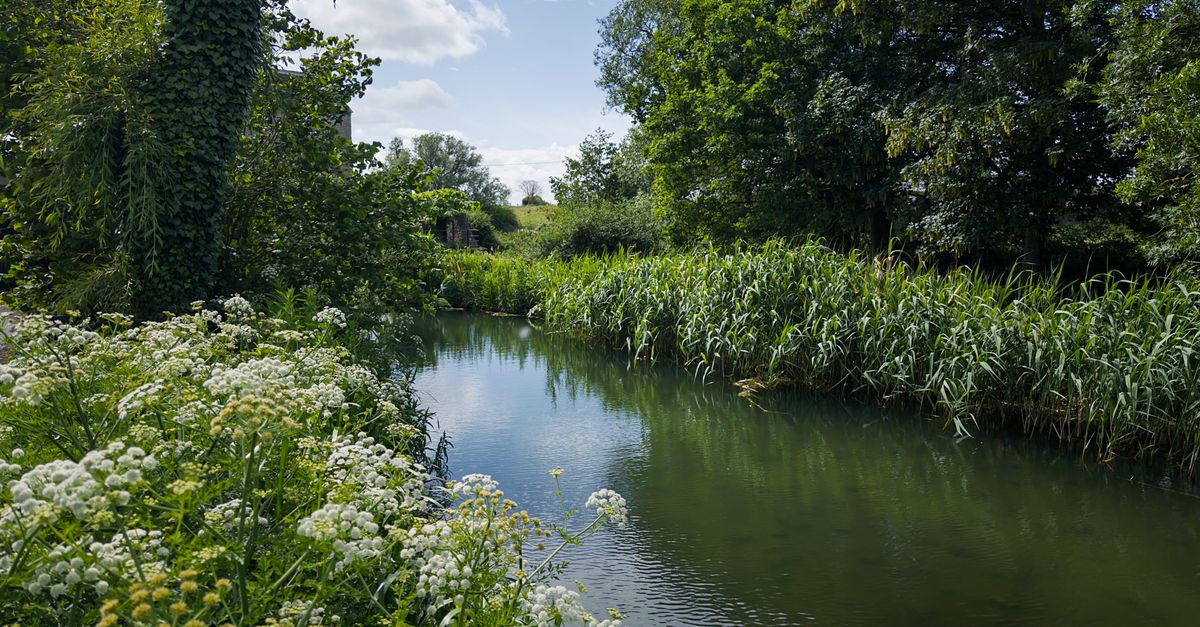
The River Test remains the crucible of English dry-fly fishing, where glassy beats and chalk-white beds taught anglers to tempt trout with a feather. Gentle water, long sight-lines, brown trout that patrol clear margins — the Test forged a way of fishing that prizes stealth, presentation and the delicate art of dressing flies.
Frederic M. Halford refined floating flies and a doctrine: fish only the surface with a perfectly presented fly. That doctrine shaped tackle, dress and behaviour on chalk-streams from Hampshire to Wiltshire. Dry patterns were simplified, leaders thinned, casts shortened; angling became ritual and skill, not brute force.
From Halford to Skues: a tactic split
G.E.M. Skues countered with nymphing—sub-surface tactics that admitted trout feed below the film. The debate altered how anglers read water: rise forms, current seams, tail-outs. Chalk streams rewarded both approaches. The brown trout and occasional grayling obliged by switching moods through the season.
Gear follows the method. A light ash or modern graphite rod, delicate tippet and soft-web landing net keep touch with shy trout. Waders that allow silent approach and a shallow wading technique preserve drifts. The chalk-stream ethos is about tempo and place rather than heavy tackle.
On a bright morning a dry fly lands in a riffle and a trout rises in a single, clean silver wheel; that image anchors a century of angling on the Test and its sister streams.
Recommended: breathable fishing waders