
River Test and the Dry‑Fly Revolution
River Test and the Dry‑Fly Revolution
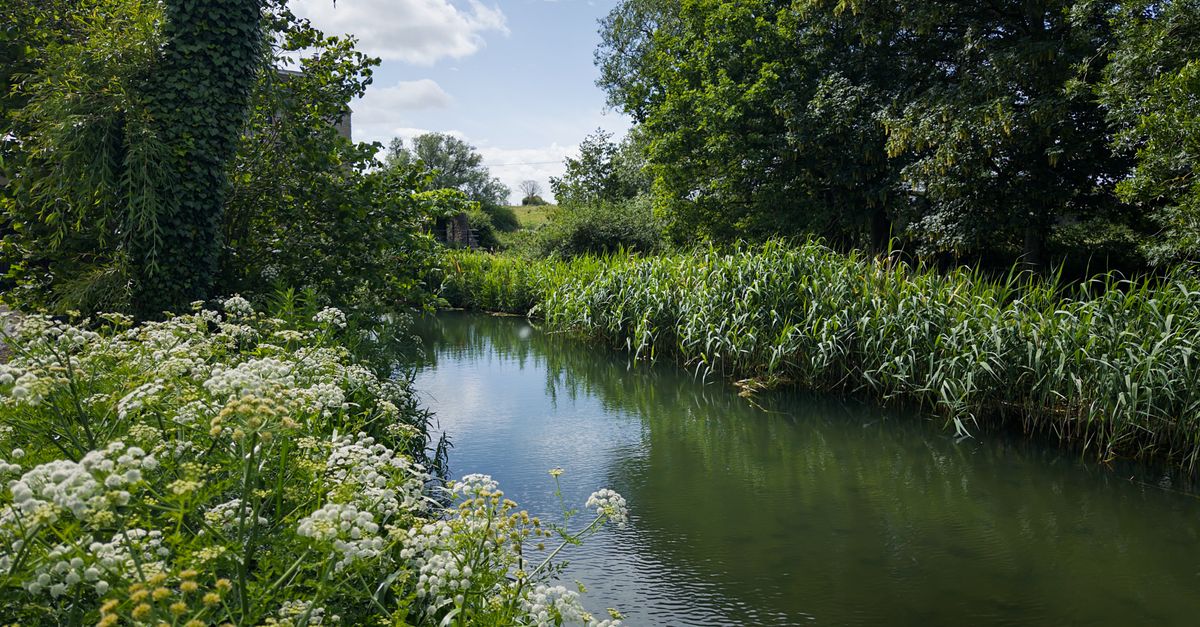
The River Test at Stockbridge anchors modern chalk‑stream lore. Clear spring water over clean gravel, patches of water crowfoot and a steady run of brown trout and grayling make it a proving ground for presentation and patience.
Frederic M. Halford refined the dry‑fly method here and on neighbouring waters, insisting on precise upstream casts and immaculate fly dressings. His writing turned local practice into doctrine: short casts, delicate tippets, flies that ride like insects, not lures.
Technique and tackle
The hallmark is subtlety. Long‑handled landing nets stay stowed. The angler moves in reeds and waist‑deep waders, reading the water seam by seam. A soft‑tipped rod and a tapered leader deliver a floating fly without drag; small caddis and olive patterns match hatch and mood.
Chalk streams demand observation. Flies are tiny, ties precise. Presentation beats power. The angler learns to watch light on the river, where a single rise can mean a wary trout sipping a dry fly in braided current.
On a still morning the scene is exact: a pale fly drifts under chalk‑clear surface, a brown trout rises like a handprint and the line answers with the brief, decisive tug of fish meeting fly.
Recommended: waterproof breathable waders