
River Test and the Dry-Fly Tradition
River Test and the Dry-Fly Tradition
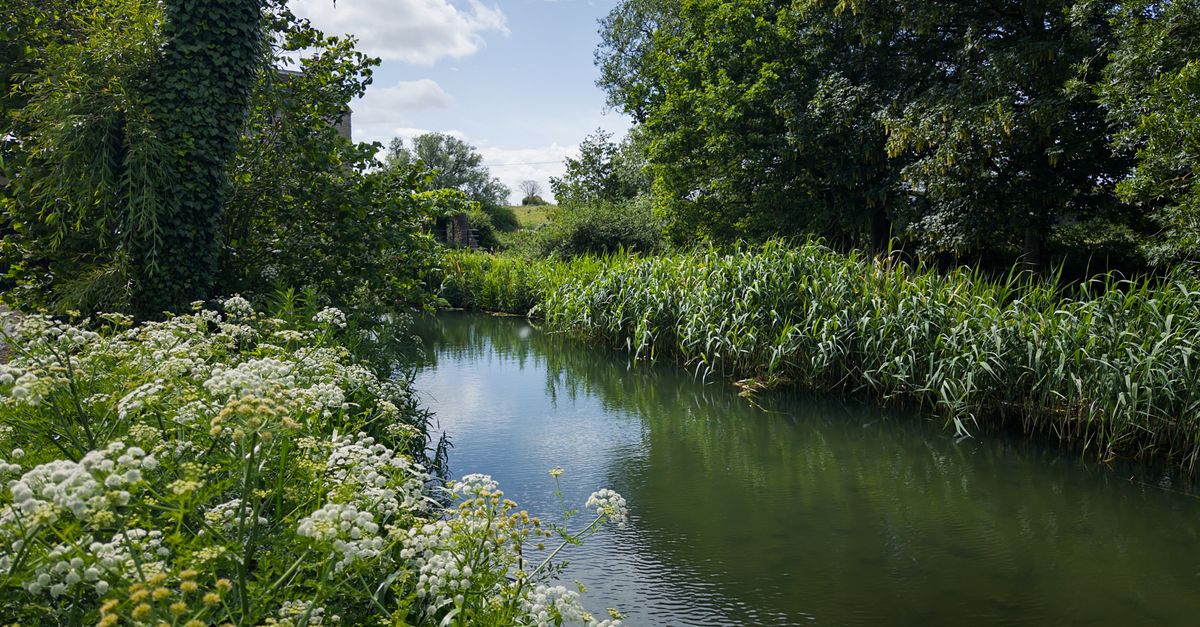
Stockbridge on the River Test carries a name every dry-fly angler knows. Chalk-clear water, gravelly beds and slow glides that reveal a trout before a cast has landed. The method of presenting an artificial fly on the surface was perfected on these Hampshire chalk streams where sight and subtlety matter most.
Late Victorian anglers, notably Frederick Halford, turned casual pastime into a codified technique: dress the fly to float, match the hatch, and present without drag. The reward is a sight that does not exist on darker rivers — the brown trout taking a carefully presented dun right on the surface.
Why chalk streams suit the dry fly
Chalk aquifers keep temperatures steady and water clarity high. Insect hatches are reliable and trout learn exact feeding lanes. Presentation beats power: short casts, upstream drifts and light leaders make the fly look natural. A soft-action rod lets anglers feel the gentle take; waders let them move into the seam without spooking fish.
Patterns remain modest — small duns, emergers and sedge imitations — but selection is less important than placement. Reading lies, mending line and subtlety of drift are the skills that decide days on the Test, Itchen and Avon.
Morning mist lifts, chalk glints beneath shallow riffles, and a trout rises with the softest of rings. That single sip is the image anglers chase across these streams.
Recommended: waterproof chest waders