
Dusk Grazing Seams on the River Test
River Test at Stockbridge: dusk grazing lanes
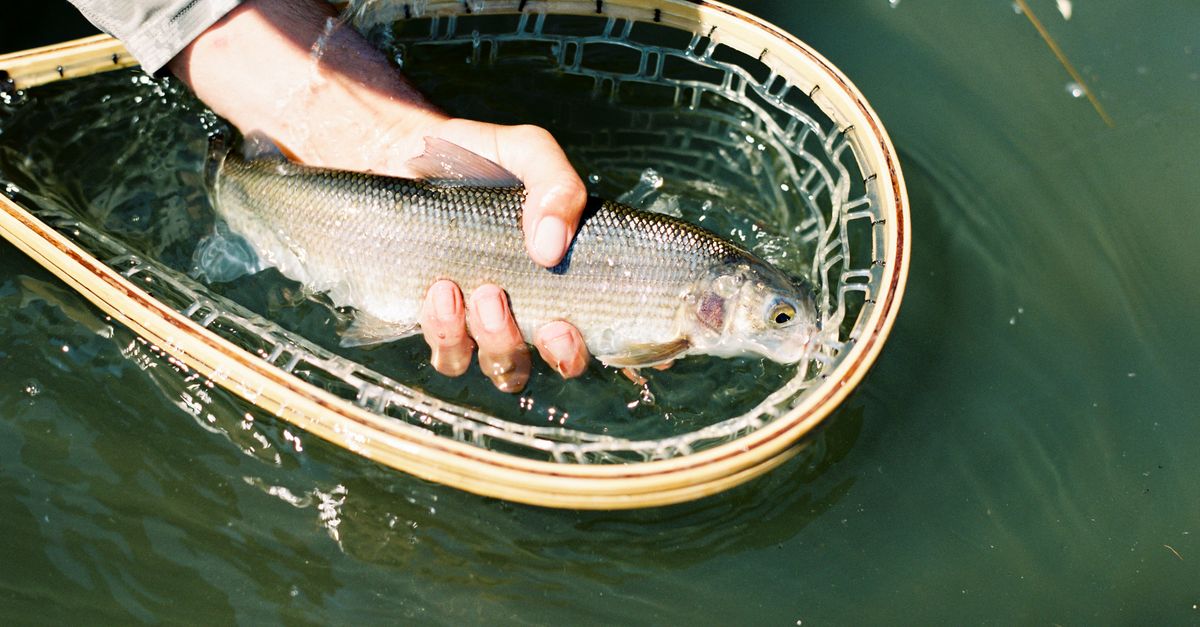
Stockbridge on the River Test lights up at dusk when brown trout move into grazing seams along riffle tails and the soft inside of fast water. Trout station in the tail of a glide and wait for the evening emergence; they charge only a few feet then slip back into cover.
Small caddis, mayfly duns and spinners, midges and buzzers set the menu. Nymphs fished near gravel, Pheasant Tail-style patterns and soft hackles win when dries are patchy. Subdued caddis imitations catch the pick of late-summer and early-autumn runs on tight chalkstream water.
Presentation and drift
A short upstream mend after the cast is the control move because it removes drag and lets the fly drift naturally through the seam. The objective is a drag-free drift that tracks the slower feeding lane rather than the main push; a single tuck or micro-mend through the seam often produces the clean take.
Evening drift cadence tightens as light falls. The dusk change of light drives surface and subsurface feeding and many insects continue to drift into darkness, so a steady, natural presentation through the first night minutes can stay effective after visible rises fade.
Leader lengths on chalkstream rigs run 12–15 ft; Tippet around 4X–6X for small dries and emergers. Brown trout on the Test are typically local and sectional in their movements, so the best fish come from the narrow grazing lanes where a single ripple or a soft splash marks the last take at fading light.