
River Test dusk pulses
Stockbridge beats below Houghton Lodge: dusk pulses on the Test
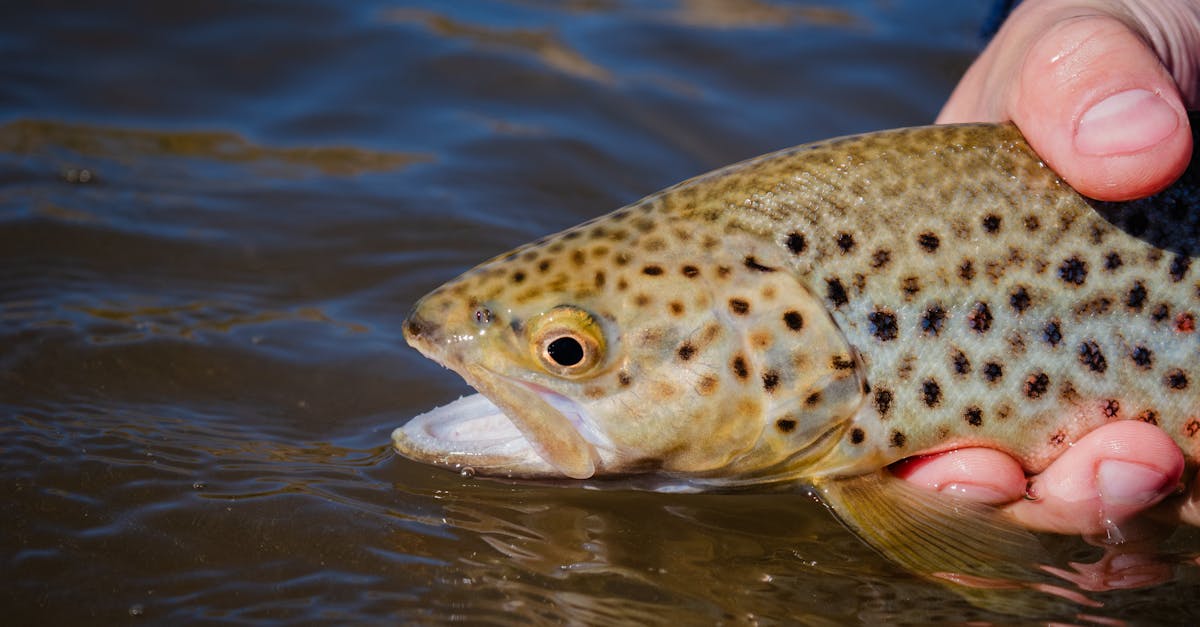
Stockbridge beats along the River Test fill with a soundless feed each summer dusk when mayfly duns and evening caddis lift in tight pulses. Brown trout (Salmo trutta) on the Test exploit thirty-minute windows of mass emergence, moving into bubble seams beneath head-gates and low weirs where current concentrates drifting nymphs.
On clear evenings a drop of 1–2°C and falling light synchronise Ephemera danica drifts and Trichoptera flights; olives and chironomids add a sustained skitter. Trout key on density rather than size, ambushing lines where gravel meets deeper flow, often in 0.8–1.5m holds that offer oxygen and cover.
During peak windows anglers deploy small dry fly patterns—size 14–18 olives or emergers—on light tippets and keep wading boots low-profile to minimise silt. Short accurate casts to the seam, followed by a downstream mend, pay more than brute reach: trout take from drifting films, not fast retrieves.
Simple conservation cues for the bank
Anglers should favour soft approaches from shaded banks, avoid trampling marginal vegetation and keep boots out of shallow gravel beds during pulse periods. Using lightweight leaders, barbless dry fly hooks and short wade times reduces disturbance and keeps the insect corridor intact.
Reading the seam—watching bubble rails, noting cooler tributary inputs and timing casts 20–40 minutes before last light—turns an evening into a string of rises. On the Test a single timed pulse can paint the surface with olive duns and rising trout beneath the head-gate as dusk seals the day.
Recommended: waterproof wading boots