
River Test and the English Dry-Fly Tradition
River Test at Stockbridge: where the dry-fly was born
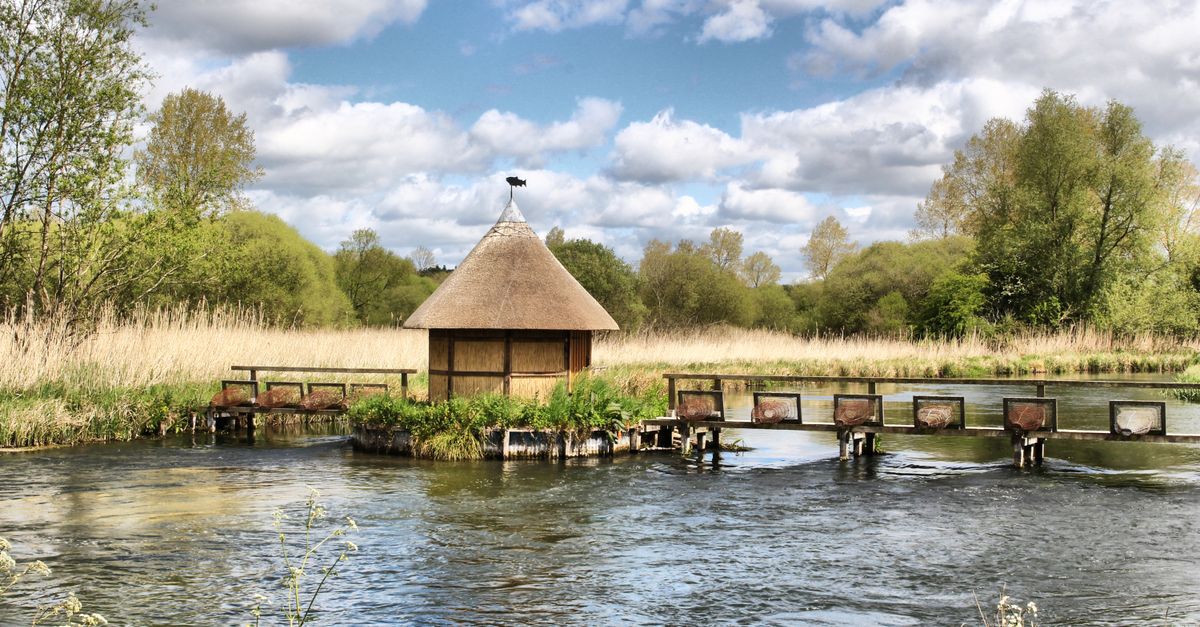
Stockbridge on the River Test is a name every angler in England knows. Clear water runs off chalk aquifers here, steady and cool, with gravel beds that brown trout and grayling favour. The place set the rules: soft leaders, pale silk, a fly that sits like a speck of dust on the current.
The craft and its characters
The dry-fly tradition grew out of long, daylight hours stalking rising trout on narrow riffles and glides. Anglers learned presentation first: a feather-light cast, a drifting fly, and the split-second lift when a trout took. Frederick Halford and his contemporaries defined technique on the Test and the Itchen, insisting that a dry fly on the surface was the angler’s art.
That orthodoxy met challenge from nymphing advocates who argued trout feed below the surface as often as they rise. The debate refined the sport. Tactics became more subtle: the choice of fly, the length of leader, the touch on the rod tip, and the patience to read lies where gravel shoals change the current.
Lunch beside a watercress bed, a careful re-tie of a tippet, then the silence before a trout slurps a carefully chosen fly—this is the chalk-stream scene that shaped modern fly fishing. A dry fly hovering over a trout’s nose in morning mist is as English as the river itself.
Recommended: waterproof fishing waders