
Evening caddis pulses on the River Test
Stockbridge on the River Test: a frantic 20–40 minute caddis pulse at dusk.
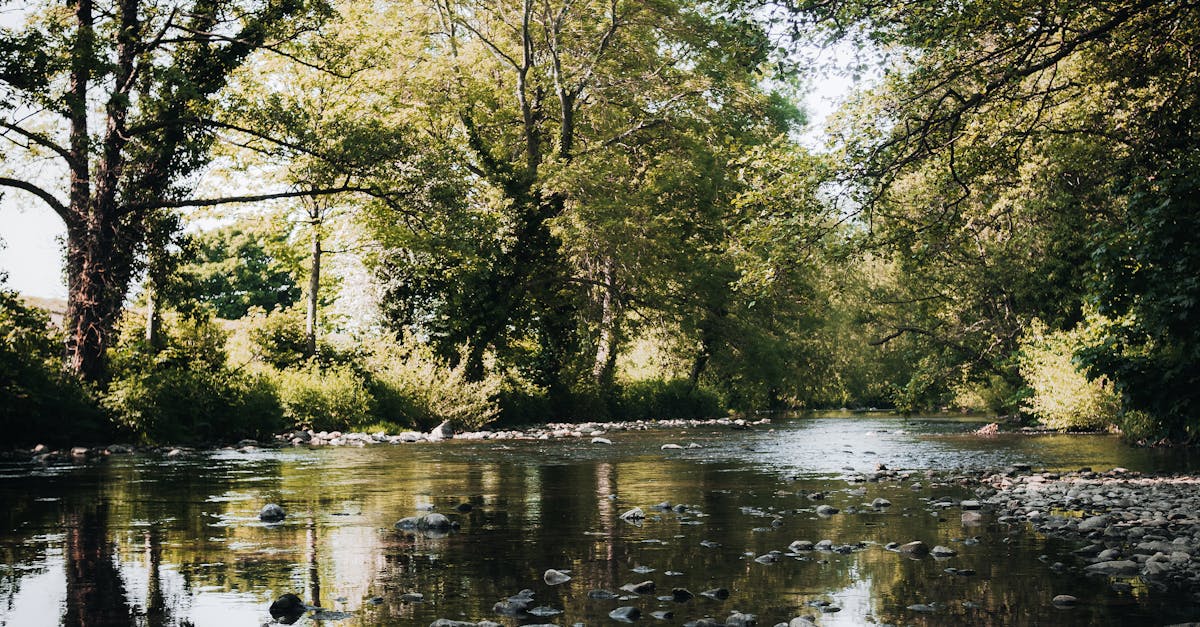
On classic Hampshire chalk, brown trout switch hard when light collapses. The feed window compresses and fish slide from weed and gravel lies into clear feeding lanes. That shift turns a scattered insect drift into a short, manic spell.
Timing matters: caddis activity peaks from late May through September, with June–August evenings most reliable. Pulses are not steady hatches but bursts — emergers, duns and egg‑laying adults swept into the surface film as flow settles. Chalk clarity lets trout target single insects with deadly precision.
Drift, lies and sight cues
Trout typically hold in 2–5 feet on glides and soft edges, in the seam between riffle and shelf, inside bends and behind Ranunculus rafts or undercut banks. As dusk falls they move into the top few inches where a long, drag‑free drift is crucial: if the fly planes, the takes vanish. Look for dim rings and fish “waking” under the film, repeated rises in the same 200–400 metre stretch, and fish that only commit when the fly runs with the current.
Gear and flies are simple: Rod: 9 ft #4 or #5; Leader: 12–15 ft tapered, ending in 5X–6X; flies in #14–18, tied light and with soft hackles to ride the surface film. Best beats—Stockbridge, Houghton, Kimbridge and lower‑Test reaches—show head‑and‑tail forms in the last light as caddis skein the margins, and a single well‑presented emerger will often trigger the heaviest takes.
Recommended: 12–15 ft leader