
River Test evening dry-fly cues
Stockbridge beat on the River Test
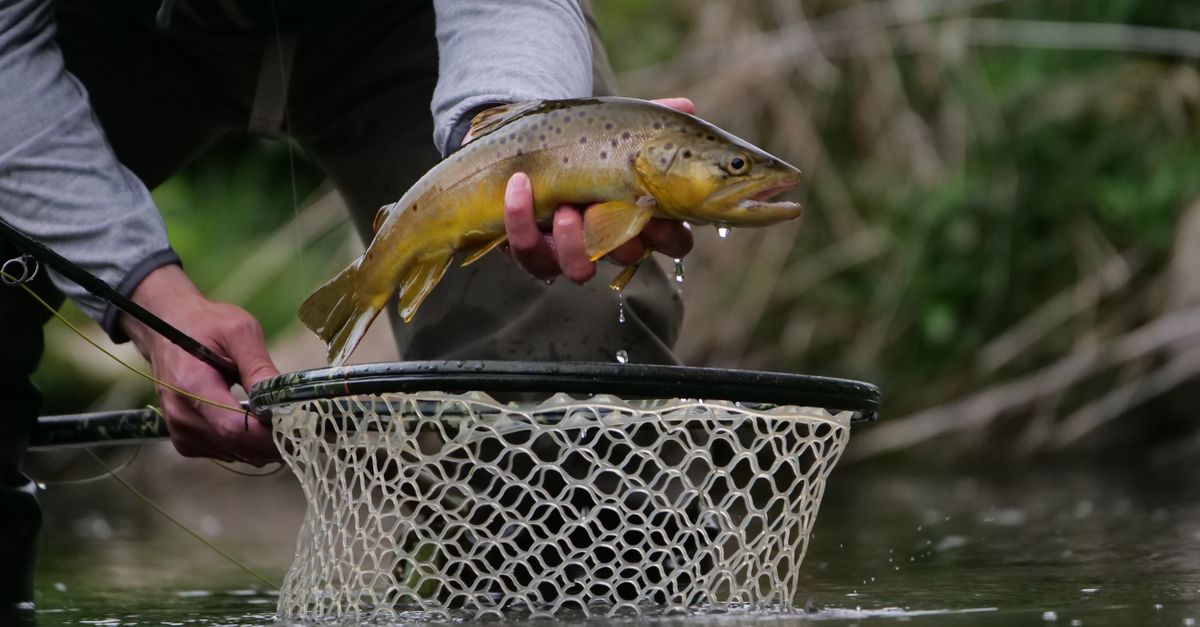
Stockbridge beat on the River Test throws up the seam trout feed in at dusk; brown trout will often rise in the soft edge where brisk flow meets slack, especially when olives, mayfly, caddis or terrestrials are on. Scan the water for the smallest dimples and head-and-tail rises before committing to a cast.
Five quick visual cues: rising fish first—subtle dimples and back breaks; the soft edge of a seam beside faster flow where trout hold and feed; foam and bubble lines that concentrate naturals and mark the food lane; the tail of a run or shallow side water where evening hatches thicken; bank cover and submerged structure—rocks, boils or undercurrents that create a safe lie close to food.
One-minute leader tweak
Fast anti-drag fix: rig a 12 ft leader where possible, or add 2–3 ft of fine tippet to an existing taper to soften turnover. Tie the fly on the finest tippet manageable, make a slightly upstream cast and apply a tiny upstream mend as the line lands. Keep the last rod length slack so the fly lands first and drifts naturally through the lane; short clean drifts beat long dragged ones on spooky Test trout.
Gear notes: a light 9ft rod, supple tapered leader, dry fly presentation and neat knots—improved clinch and a tidy Bimini twist—preserve subtlety. Evening on the Test ends with a trout breaking the seam like a silver coin under twilight.
Recommended: assorted dry flies