
Beginner's wading and short-line nymph setup for River Test
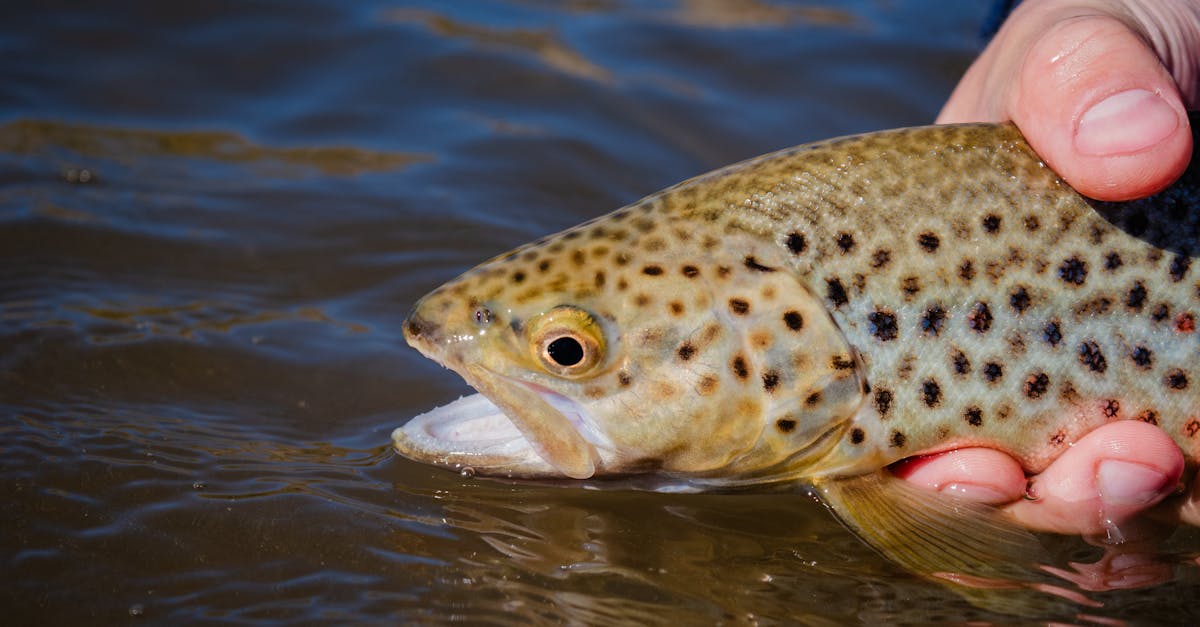
Longparish and Stockbridge beats: start here for Test browns
Wading setup
On the River Test the banks run smooth and the gravel is glassy. Felt-soled wading boots with tungsten carbide studs give grip where rubber slips. Mid-calf felt boots paired with Grip Studs or Orvis PosiGrip-style studs are standard. Use a folding wading staff and probe every step. Enter from upstream, move downstream side-step, and keep to calf-deep edges and riffles; avoid thigh-deep currents unless the staff is planted and the angler probes first.
Rod, line and leader
A 9ft #3-4wt rod matched to a reliable reel is the tool. Shoot a 4wt floating line for delicate presentation. Tie a 9ft tapered leader, butt around 0.37mm tapering to 0.15mm tippet, then add a 2-3ft fluorocarbon dropper (0.12-0.14mm) as the indicator dropper. Short-line nymphing keeps flies 5-10ft from the tip in 1-3ft depths; high-stick drifts with mends for a dead drift.
Knots and rigging
Use blood knot for tippet joins. Attach the fluorocarbon dropper with an improved clinch and leave a small loop at the tag for movement. Tie flies with a loop knot so Hare's Ear and Pheasant Tail swim freely. Add a single small split shot about 12in above the Pheasant Tail when targeting 1-2ft depths in riffles.
First flies and tactics
Start with size 14-16 Hare's Ear (natural tan) and Pheasant Tail (olive/brown). Drift them 1-2ft deep through seams, glides and pocket water. Fish the Stockbridge to Longparish beats slowly; pause on seams and fish the edges where brown trout hold tight under current breaks.
Recommended: folding wading staff