
Stockbridge and the River Test: England's Chalk‑Stream Classic
Stockbridge on the River Test: a pocket of water that reads like a book
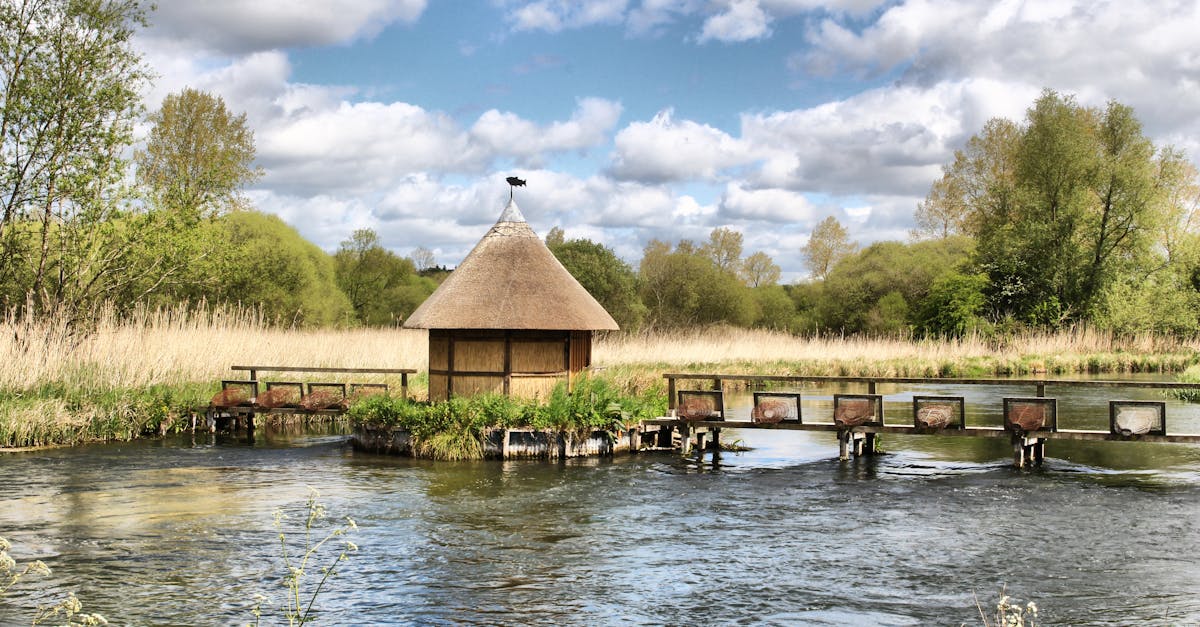
Stockbridge is the name anglers use when they mean clear water and trout that see the fly as it drops. The River Test runs spring‑fed over chalk; the clarity is not showy, it is surgical. Water crowfoot carpets the shallows. Brown trout and grayling patrol the margins. A dry fly presented correctly will be inspected, often deliberately, by fish that have known the river for generations.
Presentation matters. Single‑hand casts, subtle leaders and a rod that breathes with the fly — those are standard kit. Waders are common; so is a careful footstep. The pool lines read like a page: seams, tails of riffles, gravel sills. Anglers work upstream, keeping flies drifting true through lies where trout tuck into current seams.
Tradition and technique
The dry‑fly methods of the Test helped shape modern fly fishing. Victorian anglers refined imitation flies and long, patient presentations; those lessons persist. Flies are minimal and often pale, matching the river insects. Grayling bring a different rhythm: gentle lifts, textbook takes that reward subtlety rather than brute force.
Stewardship sits beside skill. Landowners and anglers have long shared an interest in the clear, steady flow that makes the Test unique. A single upstream cast past a submerged silt edge and a brown trout will rise in plain sight.
Recommended: waterproof chest waders