
River Test at Stockbridge: Heart of Chalk‑Stream Fly Fishing
River Test at Stockbridge: Heart of Chalk‑Stream Fly Fishing
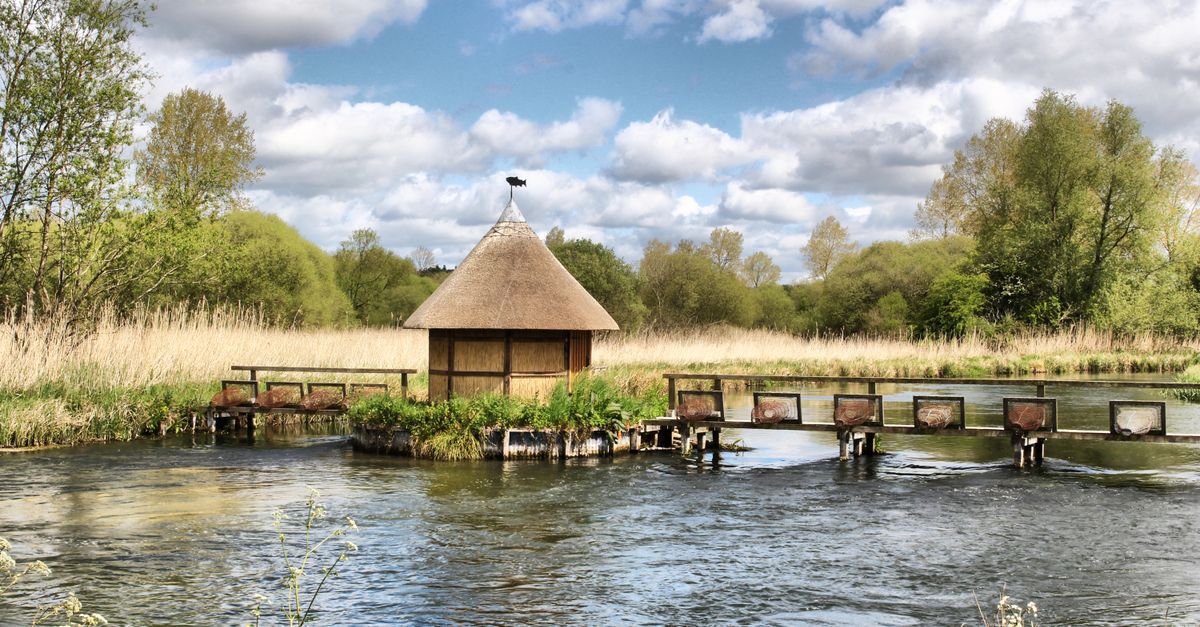
Stockbridge sits where the River Test narrows into classic chalk‑stream beats. Clear water runs on a gravel bed, water crowfoot carpets the shallows and trout lie in the seams between riffle and glide.
The chalk aquifer keeps the Test cool and steady. That steady flow produces long, slow currents perfect for brown trout and resident grayling to feed on steady mayfly hatches and submerged nymphs. Anglers speak of presentation more than power here: a false cast can lose a fish as surely as a snap.
The dry‑fly doctrine and its challengers
Frederic M. Halford forged the dry‑fly orthodoxy on these waters, insisting on upstream presentation and dry imitations. G. E. M. Skues later championed nymphing in the same beats, and their debate shaped modern chalk‑stream technique. Both approaches still read the water the same way: find lies, match the hatch, and keep the drift natural.
Equipment is modest. A single‑handed fly rod, light line and fine tippet reward delicacy; waders get the angler to the seam without spooking fish. Leaders are short, flies small, and stealth is the currency of success.
On late afternoons a trout will sip a March brown in a sunlit riffle and the river will hold its breath. The Test keeps a long memory — of rods and writers, of strict presentation and quiet water — and the next cast often writes the newest line of that story.
Recommended: lightweight trout fly rod