
Stockbridge dawn: dry‑fly window on the Test
Stockbridge: River Test below Stockbridge — brown trout on dry flies at dawn
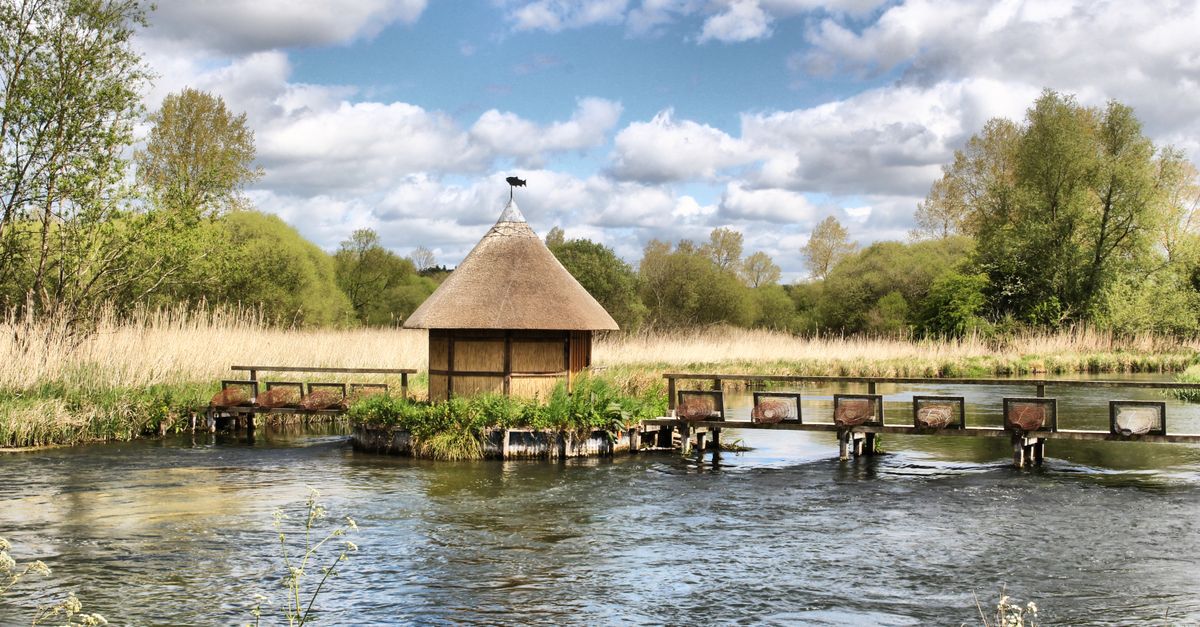
Early July on the Test below Stockbridge produces a tight dawn window, roughly 05:30–08:00, when brown trout will take summer dry‑fly and emerger patterns. Low flows leave clear seams and feeding lanes; main seams sit around 0.3–0.6 m deep and water temperatures hover 16–18°C, so surface presentation must be flawless and stealthy.
Anglers favour a 9 ft, 4 wt or 5 wt dry-fly rod with flotation line and a 10–12 ft taper leader tied to 2X–3X tippet (0.15–0.20 mm). Short precise upstream or across casts into the seam edges work best; allow the fly to swing without drag and mend only to preserve a natural drift.
The hatch sequence is predictable locally. Pale Morning Dun activity builds later, but emergers and Klink & Dagger styles trigger takes in the last pale light; PMD #16–18 are standard. Midges and small black ants in sizes #18–20 dominate early surface pickups. Grey and Olive caddis (#14–18) stir in the later morning and evening; Yellow Sally and Golden Stone appear intermittently toward Timsbury beats.
Reading seams and beats
Read the seam where faster water tucks into a glide: undercut banks, weed margins and the narrow seam edge hold trout in low flow. In summer clarity forces long leaders and delicate presentations; a well‑ridden emerger or a tiny ant on the film often wins over a bulked dry. At first light the Stockbridge riffle shows the telltale ripple just before a brown trout strips a fly clean from the surface.
Recommended: 10–12ft tapered leader