
Chalk‑stream spring briefing: River Test below Stockbridge
Chalk‑stream spring briefing: River Test below Stockbridge
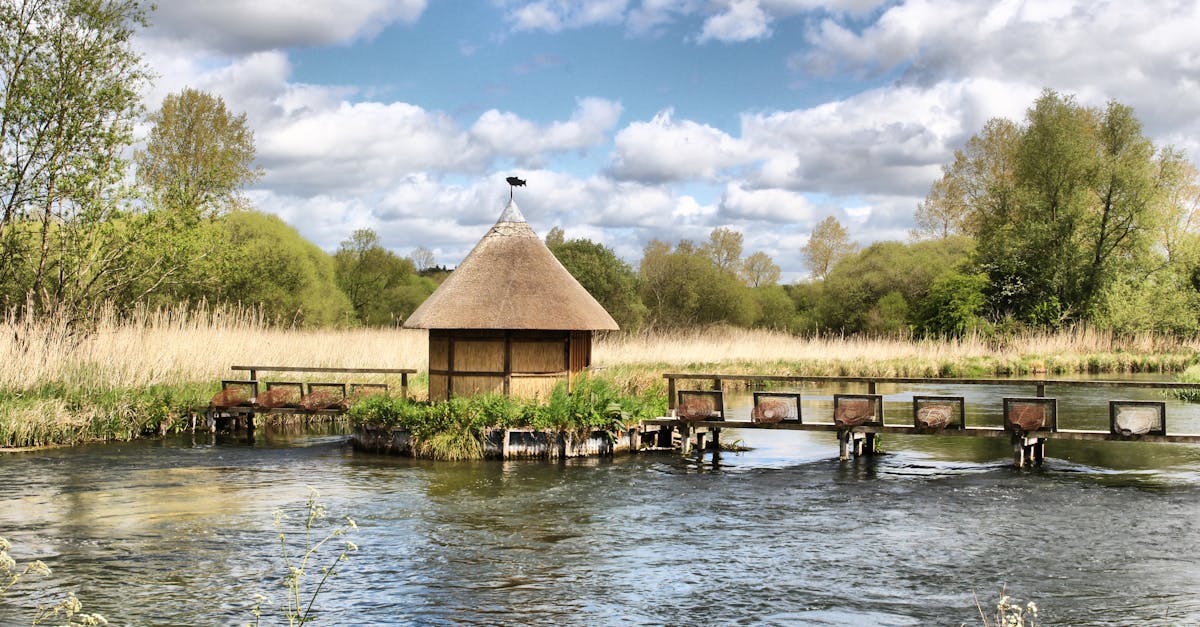
Morning rises
At first light on the middle Test below Stockbridge, brown trout frequently show intermittent surface activity through spring. Crystal‑clear chalk water and low‑flow seams concentrate fish; the most consistent action is a short window around sunrise when trout move from lies to feed on drifting nymphs and emergers.
Where to fish
Target the tail of riffles, shallow carriers and downstream seams beside marginal weed and fallen alder on the Stockbridge and Houghton beats. These edges hold trout as they quarter feeding lanes into glides; grayling can be present but trout dominate the early rise.
Water & nymph depths
In low flows aim to present nymphs close to the riverbed — typically 6–18 inches (15–45 cm) below the surface depending on exact flow. Use light shotting, short leaders and team‑nymph rigs or a single slow‑sinking pattern to hold depth in seams without dragging.
Sunrise fly choices
Begin with small patterns: pheasant tail nymph (sizes 16–18), hare's ear and soft‑hackle emergers. Keep a comparadun or CDC emerger ready for mayfly activity; a dry‑dropper pays when trout take duns in glassy conditions.
Local intel & seasonal note
Conditions vary day to day — anglers should carry a breathable wading jacket and a compact landing net and check live reports from local beats or guides such as Leckford Estate. Spring typically brings increasing mayfly activity through late April into May; watch water temperature and calm sunrises for the best rises.
Recommended: waterproof angling jacket