
Why Test trout hunt at dawn
Stockbridge on the River Test: mid‑May mayfly clouds push trout to gravel runs at dawn
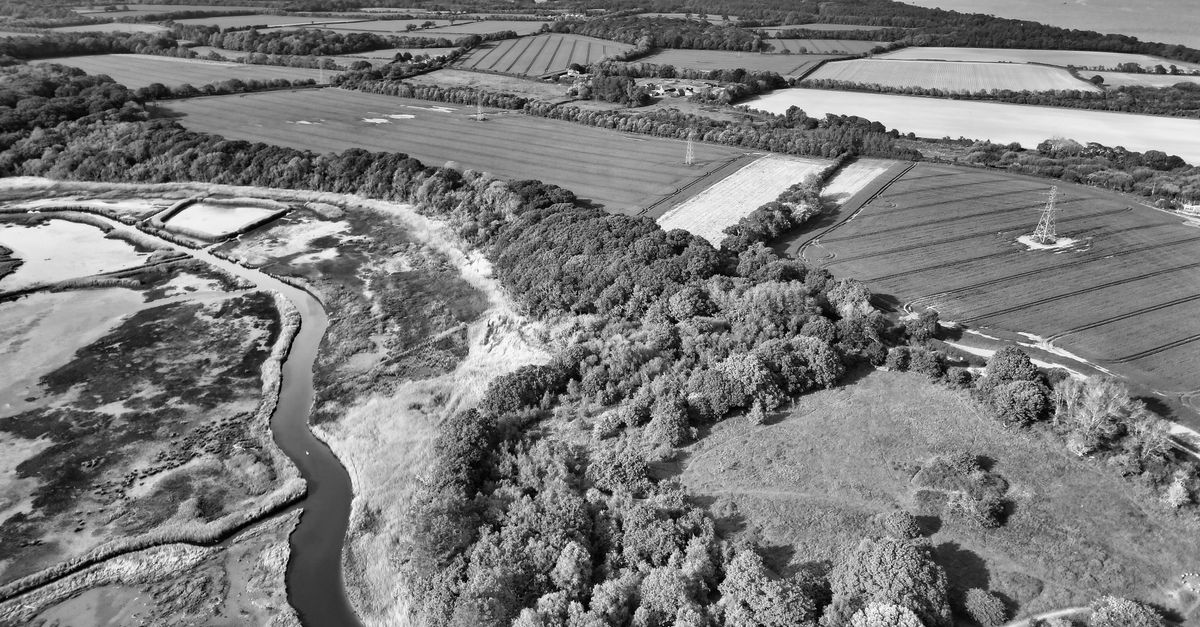
The River Test in Hampshire runs on chalk and stays cool and steady year-round, creating a nursery where wild brown trout concentrate on shallow gravel runs at first light. Rising light cues massive hatches of Ephemera danica and waterboatmen in crystal-clear water; emergent larvae and nymphs leave the gravel and become instantly vulnerable.
Groundwater-fed flow keeps temperature between ten and fourteen degrees Celsius, so invertebrate life is predictable and the mayfly hatch peaks from mid‑May into early June. Gravel beds are the main emergence zones; flow pulses from upstream releases or winter spates dislodge larvae and sweep them into margins where trout patrol.
How anglers read the morning
Trout hold tight 15–30 cm over gravel runs and pick off drifting prey. Grayling turn up alongside brown trout, and the occasional stocked rainbow appears where beats allow. Spring fish average 20–35 cm, adults larger into summer. Tactics are concise: a 4–5 weight dry fly rod, fine 6X–7X tippet and small nymphs—Pheasant Tail or Mayfly Nymph in sizes 14–18—presented slowly through the dawn window.
At first pale light the Test shows its secret: dimpling lines of trout, a steady pulse of mayflies, and gravel runs alive with motion as fish feed down to the riverbed.
Recommended: 6X fluorocarbon tippet