
Three Rother evening beats
Wittersham and other Rother evening beats
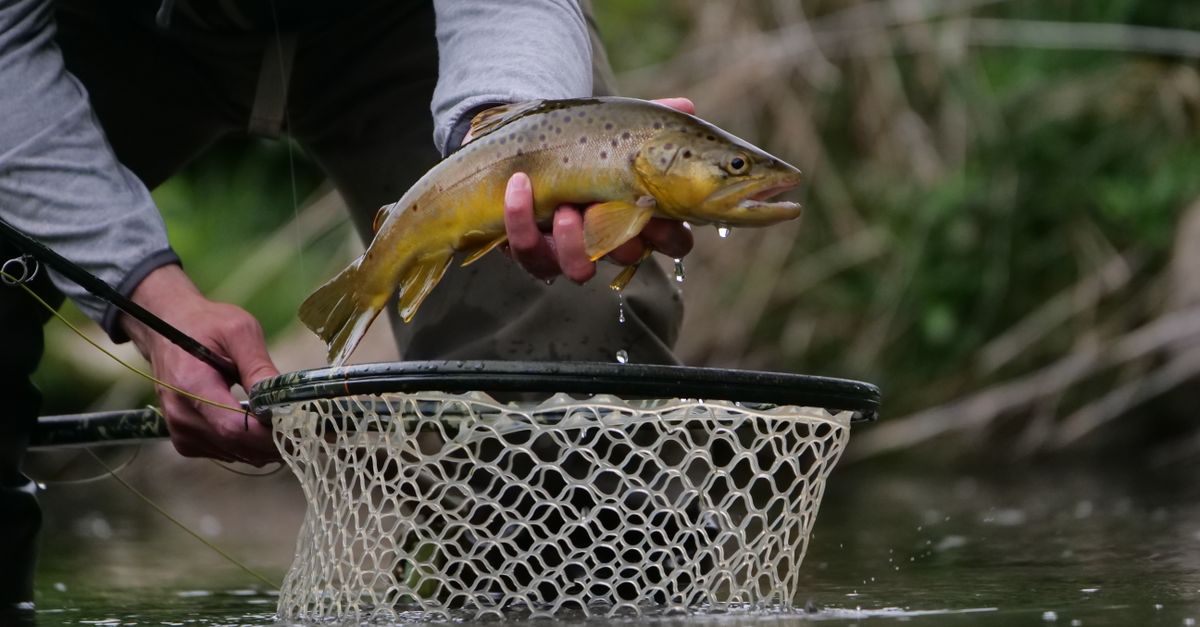
Wittersham beat on the River Rother narrows to about 35 m with central shelves and seams that produce sight-caught brown trout in only 1 foot of water. The Rother's chalk-fed flow turns evening light into feeding lanes where trout switch from cover to visible feeding; Leconfield Estate beats add managed margins and classic undercut lies.
Shallow seams
Shallow seams along gentle glides create a conveyor belt of drifting midges and sedge. Brown trout will hold in those seams where upstream vision and a thin ribbon of current deliver food; low presentations, long fluorocarbon leaders and soft tapered leaders outshine forceful casts.
Undercut banks are the classic holding structure on the Rother. Fish hug the soft water beneath overhangs and in the first 0.5–1.5 m from the bank. Present dries or small nymphs tight along that margin, watch the dark mirror of water for a ghost rise, and work the margin with roll casts when room is tight.
Evening insect-driven windows open as light drops and insects concentrate in lanes of moving water. Short surface slots around mid-channel stones, alder shade and willow roots demand first-cast accuracy; polarised sunglasses reveal the lanes and waders allow a quiet approach that keeps trout looking.
At dusk a brown trout often marks, rises and vanishes beneath an overhanging alder in under a heartbeat — that single silver flash on the Rother is the evening currency.