
March sewin staging in chalk-stream tidal corridors
March sewin: staging in tidal corridors and chalk-stream fry runs
Overview
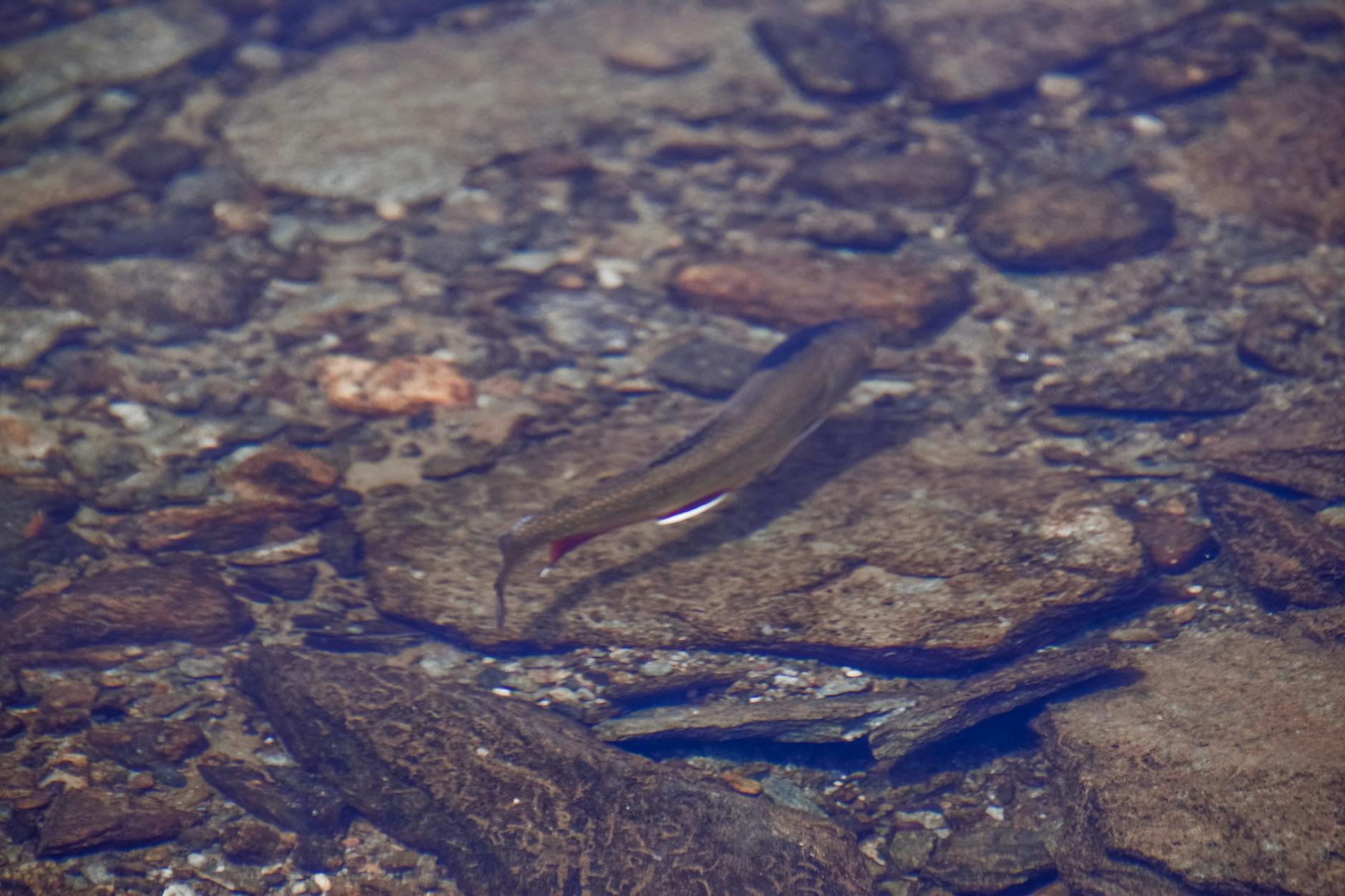
Sea trout, locally called sewin in parts of south-west England, often stage in early spring at the heads of tide where estuarine corridors meet chalk rivers. In March these fish exploit brief nocturnal and low-light tidal windows to sample incoming fry runs from iconic chalk streams such as the Test, Itchen and Hampshire Avon, combining marine energy reserves with a sudden glut of freshwater prey.
Behavioural cues
Movement is closely tied to tidal phase and diminishing daylight; sewin frequently make short upriver pushes on dusk or night slack tides, then hold in shallow, current-sheared corridors. Lunar-driven tidal amplitude and local freshwater discharge from winter springs dictate timing, so staging clusters form predictably at head-of-tide pinch points and side channels.
Fly profiles for low-light tides
Patterns that imitate small fry and displaced invertebrates excel: slim, translucent-bodied lures in olive, pearl or subdued silver, soft-hackle emergers and small shrimp imitations match the silhouette of chalk-stream fry under low light. UV-brightening and a subtle pulsating retrieve often provoke follows when visibility is limited by tide colour.
Thermal pockets and holding lies
Chalk streams create micro-thermal refugia—shallow gravel shoals warmed by spring sunshine and clear flow produce temperature differentials of a degree or two. These warmer pockets concentrate fry and reduce metabolic cost for staging sewin, predicting likely holding lies: sunlit mid-channel bars, margin cobble shelves and the lee of flow-deflecting boulders just upstream of tidal influence.