
Dusk ambush corridors at Aust–Chepstow
Aust–Chepstow hosts a short, violent feeding window for sea bass on the flood and the final hour of the ebb.
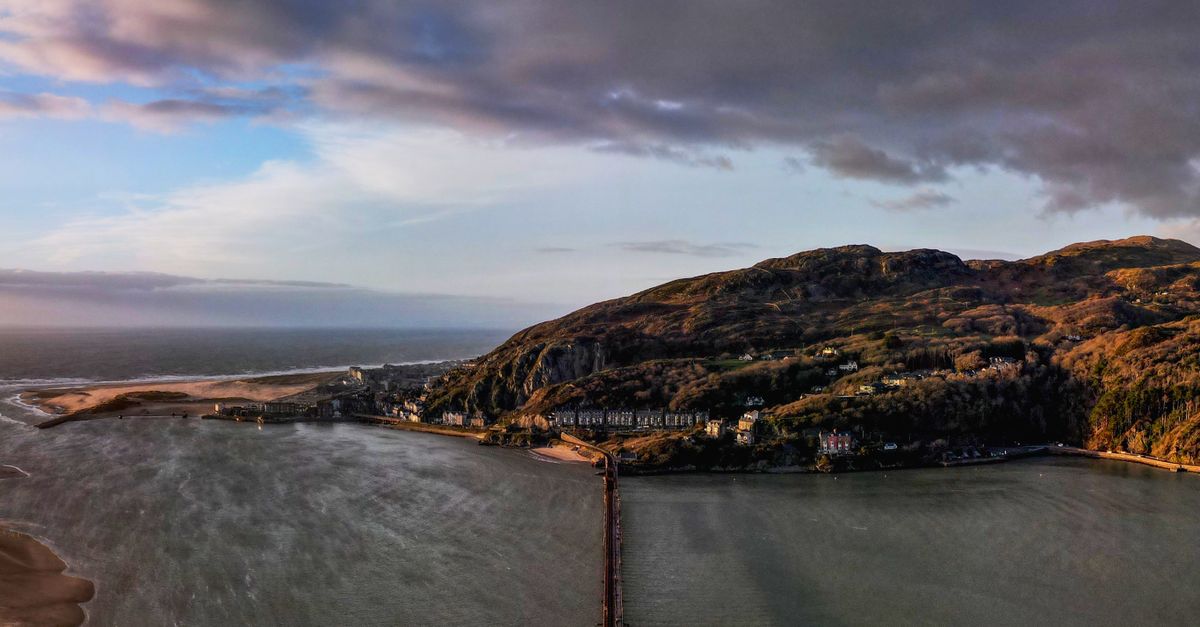
The Severn’s extreme tide pushes plankton and microdrift into tight seams; those seams drag sandeels and sprats into narrow lanes where Dicentrarchus labrax waits. High turbidity, scoured sandbanks and rich benthic life—worms, shrimps, bivalves—feed that chain, and bass exploit the squeeze rather than the centre of the run.
Spring tidal ranges at Avonmouth exceed double figures and currents can reach well over one metre per second on springs, while neaps run much slower. That velocity gradient creates tidal convergence and sharp frontal edges where plankton accumulates; baitfish stack in the calmer seams beside gutters and along channel margins.
Practical holding water is seldom mid-channel. Channel edges, gutters, wall toes and margins of scoured ground concentrate prey; on the Gloucestershire side the best lies often 10–20 yards off the wall. Neaps spread the window longer, floods and the last ebb deliver the punch. Anglers favour a strong braided line and a boat sonar to locate the seams without spooking fish.
Reading the dusk ambush
At low light look for broken water, a line of discoloured flow and bait flicking near the surface; bass sit just off the seam and charge into it as darkness falls. Local stretches that show this pattern include Oldbury Power Station, Purton, Sharpness to Gloucester and the Chepstow reaches. A bass explodes through a ribbon of silverbait beneath the red afterglow at Chepstow—a moment the estuary makes itself unforgettable.