
Short-line Nymphing for Wye Grayling
River Wye at Biblins: short-line nymphing for grayling
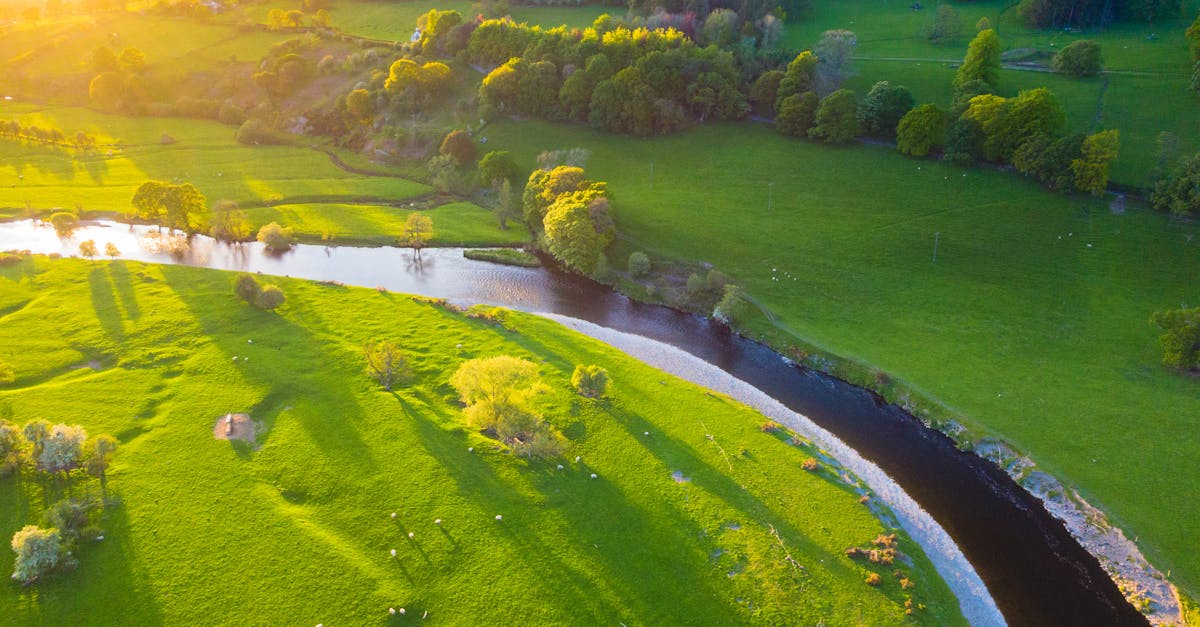
The River Wye below low weirs throws up tight pocket water and instant seams where grayling lurk. Use a 4ft–5ft tippet tied directly to the fly line for Czech-style short-line contact; the short connection keeps flies pinned to the gravel and delivers immediate bottom feel.
Leader rig runs two to three flies: heavy point, mid dropper 12–18 inches above, optional light top dropper for shallow slack. Tippet diameters sit around 0.15–0.18mm for general Wye conditions; drop to 0.12mm in very clear, slow pockets. Surgeon's knots or 4–5mm micro-loops keep droppers clear in fast current.
Nymph choice and weighting
Match the Wye's food: black grub beadheads size 16–18 for year-round takes, pheasant tail 14–16 without coq-de-lyon tails to favour grayling over trout, and shrimp patterns size 14–16 when Gammarus are on the feed. Put 3–4mm tungsten beads on the point to punch to the bottom below weirs; switch to 2mm beads in shallow slack.
Mend actively: cast upstream at a slight angle to the weir line, hold the rod tip at 45°, then follow the drift. Use quick upstream mends to counter faster seams so the rig hangs dead in pockets. Keep light tension on the short-line to read the bottom; when foam or turbulence masks contact, shorten the tippet or reduce weight and aim for a tighter, slower drift. A grey flash under the foam, beads catching the light as a grayling rises, is the reward for precise short-line work.
Recommended: tungsten bead set