
Skues and Chalk-Stream Nymphing
Skues and the Nymphing Revolution on England's Chalk Streams
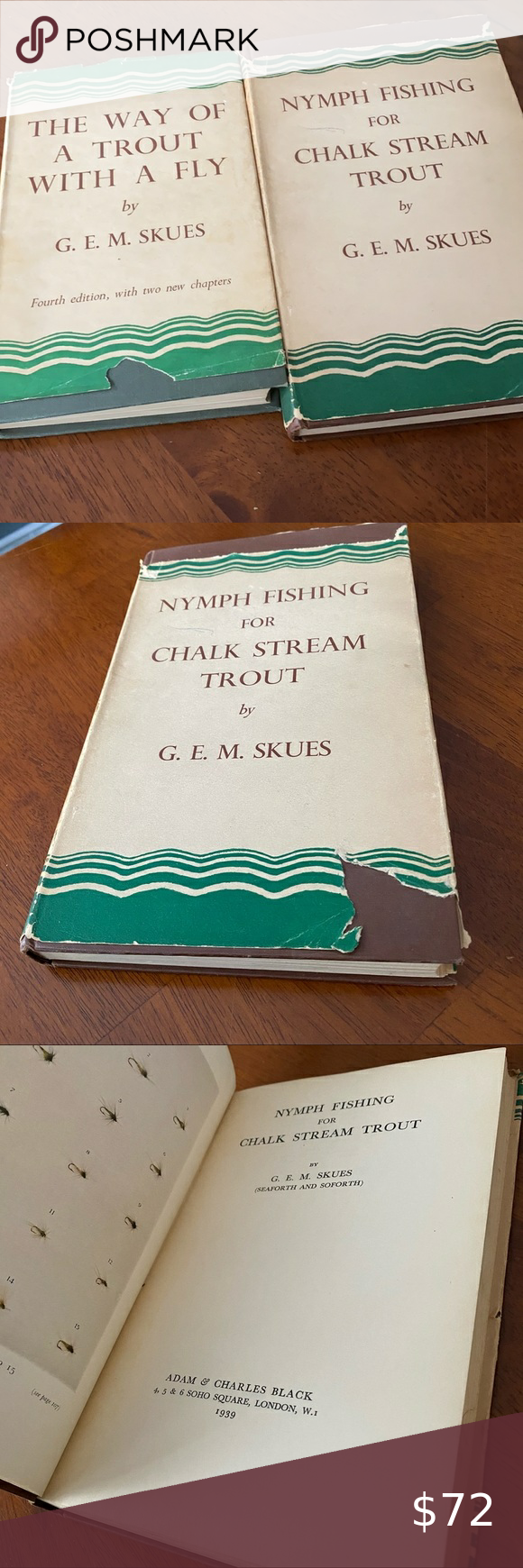
G.E.M. Skues (1858–1949), a solicitor and devoted angler on Hampshire chalk streams such as the River Test, quietly transformed British trout fishing by reviving and refining nymphing techniques. At a moment when Frederic M. Halford's dry-fly orthodoxy shaped the aesthetic and social norms of upper-class chalk-water clubs, Skues argued for sub-surface tactics that mimicked the underwater life stages of aquatic insects and targeted wary brown trout where dry flies often failed.
Controversy and Cultural Impact
The debate between Skues and dry-fly purists became an influential cultural dispute rather than merely a technical disagreement. It encouraged anglers to study stream entomology, experiment with presentation and adapt to conditions instead of following rigid doctrine. The exchange of ideas across the River Test, Hampshire Avon and Wye altered angling literature, teaching and local club etiquette in ways that quietly shifted mainstream practice.
Enduring Legacy
One lesser-known consequence is that Skues's challenge helped broaden British angling from a narrowly prescribed sport into a more empirical, observational pursuit. Modern chalk-stream guides, teaching methods and many anglers' tactical choices still reflect the balance between dry-fly artistry and Skuesian nymphing pragmatism, linking Victorian tradition with contemporary sport-fishing innovation.