
Three twilight skerries on Skye's Trotternish
Three twilight skerries on Skye's Trotternish
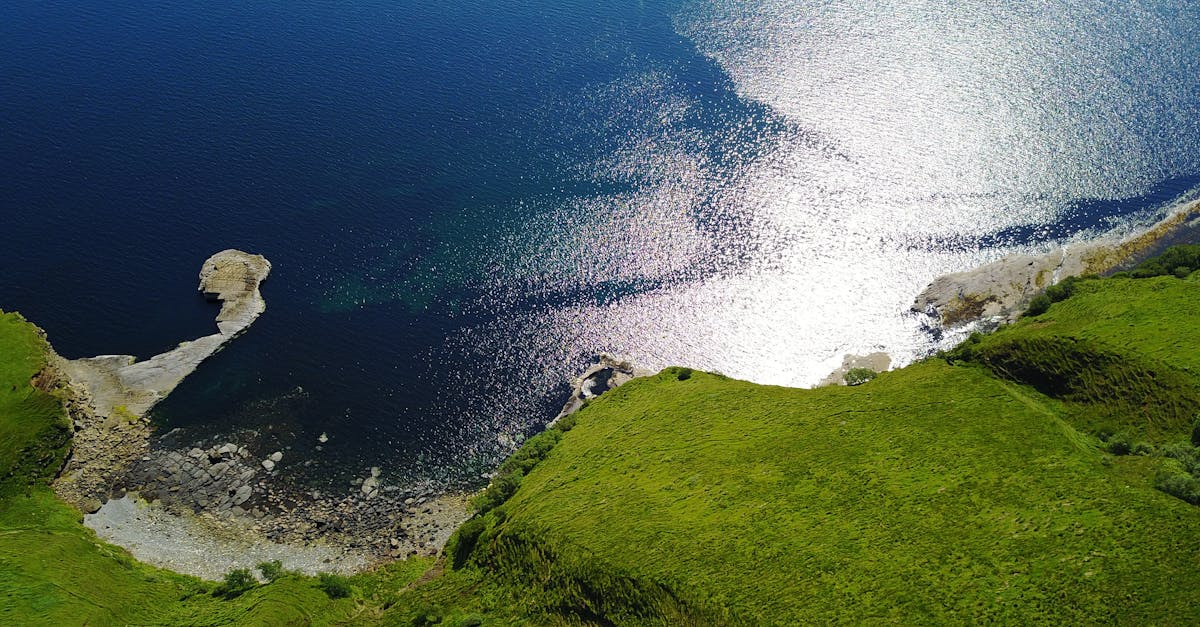
Staffin skerries hold pollack and saithe in the first half hour of dusk every tide; they stack tight on the flood where deep channels skirt rock. Trotternish isn’t mystery — it’s feed lines, seams and timing. Fish the surge, read the slicks, work edges fast.
1. Staffin Deep Skerries
Steep drop close to shore. Cast beyond the seams, retrieve through the current line. Metal jigs from 40–80g get down quick; braid leader and a short flurocarbon trace keep hookup rates high. Pollack hit mid-water; saithe often smash hard under the curtain of moving water.
2. Kilmuir Outliers
Shallow ledges and gullies. Early twilight favours surface commotion then switch to soft plastics and feathered jigs as light dies. Work the slack between rocks where bait funnels into the skerries; fish the edge, not the flat.
3. Duntulm Race Ledges
Faster flows and clear channels. Short, sharp metal jigs and sandeel-imitating shads win here. Keep casts tight to the seam; slow, aggressive retrieves trigger follow-and-strike behaviour in both pollack and saithe. Tides change everything — time the evening surge to land with the last light.
Recommended: strong braid leader