
Solent bass switch to crustaceans in March
March movements: Solent sea bass pre-spawn strategy
Tidal race refuges
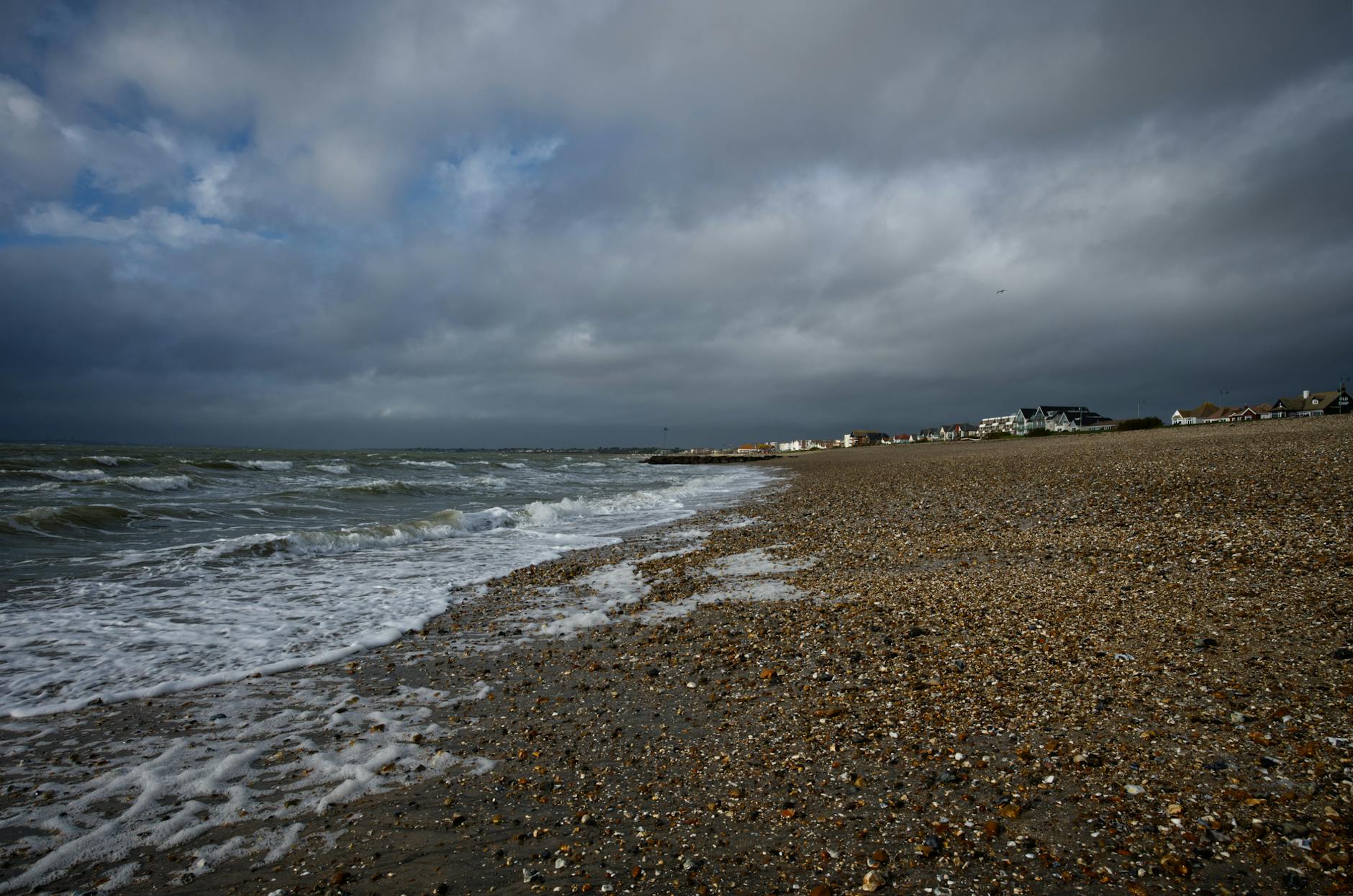
In the Solent between Portsmouth and the Isle of Wight, migratory sea bass stage in powerful tidal races such as The Needles, Hurst Spit and Spithead during March. Fish concentrate in eddies, over gravel bars and in slack-water pockets to conserve energy ahead of the spring spawn, travelling only short distances with each tidal cycle. Local boat surveys and shore observations record narrow "holding lanes" along race edges where bass sit for hours between tide changes.
Dietary shift in cooler waters
When seabed temperatures remain low in March, bass reduce chase behaviour and switch from pelagic sand-eel hunting to benthic crustaceans. University of Portsmouth researchers and local marine biologists report higher proportions of shore crab (Carcinus maenas), green crab and brown shrimp (Crangon crangon) in early-season stomach samples. Tidal turbulence stirs biofilm and amphipods from crevices, creating ephemeral crustacean hotspots that are easy for bass to exploit.
Precise lure presentations
That diet shift demands finesse. Precise presentations — slow-rolled 40–60mm soft plastics, weighted micro-jigs and realistic crab-imitating lures worked along tide seams, in eddies and against race lips at slack or early flood — often trigger tentative takes from wary bass around Portsmouth Harbour, East Head and the Isle of Wight headlands. Colours that mimic molting crabs (olive, mottled brown) and a gentle, irregular retrieve replicate crustacean escape behaviour and separate success from folklore in early-season Solent bass fishing.