
The St Ives 'Net of March' — a prophetic spring rite
The St Ives 'Net of March'
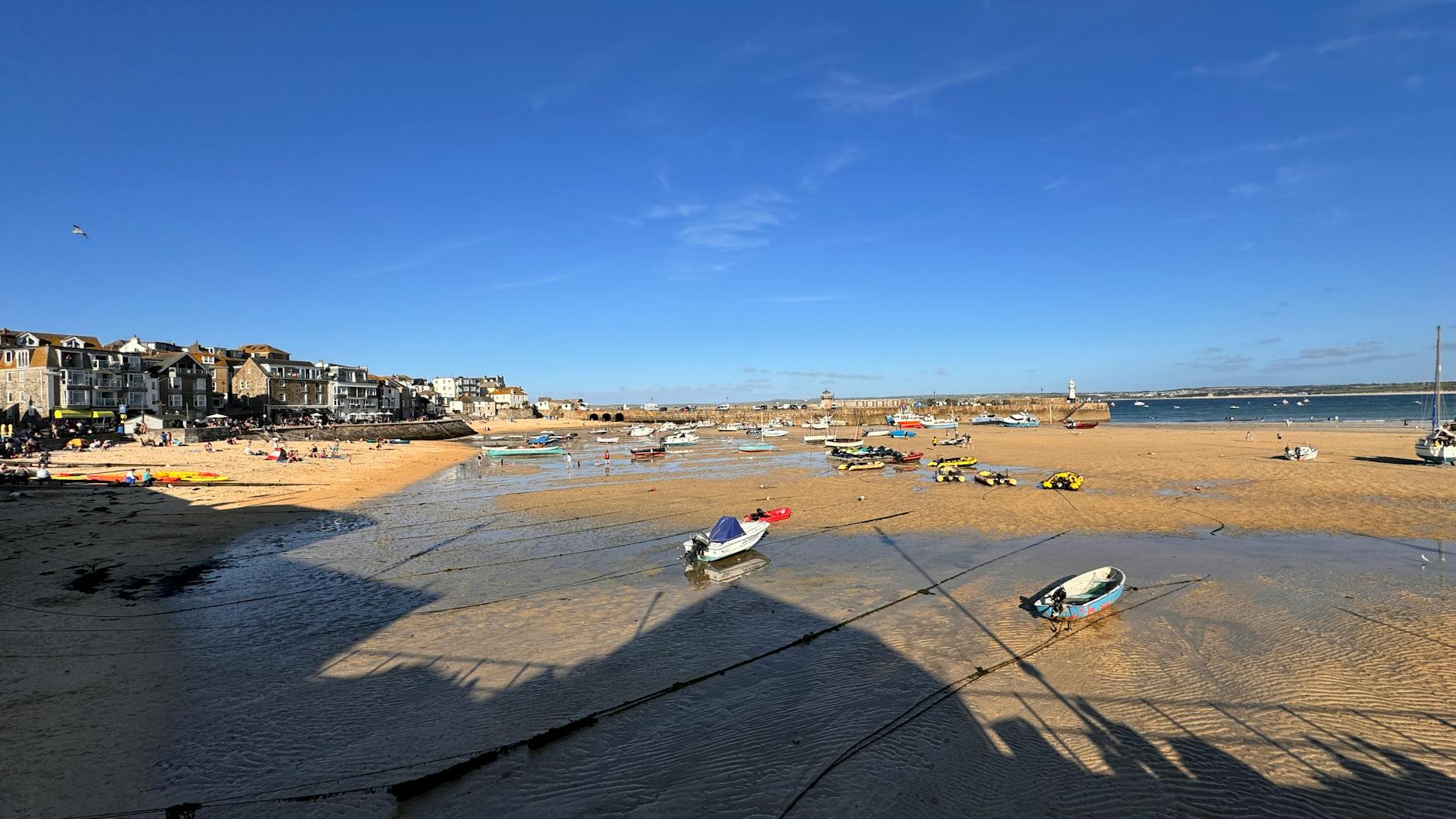
Rite at the first warm March dawn
In St Ives, Cornwall, a long-standing fisherfolk legend describes a "Net of March" cast by local skippers on the first genuinely warm morning of March. According to local lore, the small catch and detritus hauled in—seaweed types, tiny mackerel, a pebble from a particular ledge—were read as a prophetic map indicating where the first spring lines and handlines should be set. The ritual echoes the local huer tradition, where lookout calls guided boats to pilchard shoals; the Net of March worked as a quieter, material signal used before radio and sonar.
Folk ecology and crew habits
The legend has a practical wrinkle: the signs interpreted from the net often tracked real seasonal movements of species such as mackerel and sea bass along the Cornish coast, and of inshore shoaling behaviour near Porthminster and Smeaton's Pier. Over generations, crews developed habits—who would cast first, which nets to mend, where to drop the first lines—that mirrored the lore, embedding ecological observation into ritual. The Net of March survives in oral memory and occasional dawn ceremonies, an example of how British coastal folklore historically translated local natural knowledge into everyday fishing practice.