
Stockbridge and the Chalk-Stream Code
Stockbridge and the Chalk-Stream Code
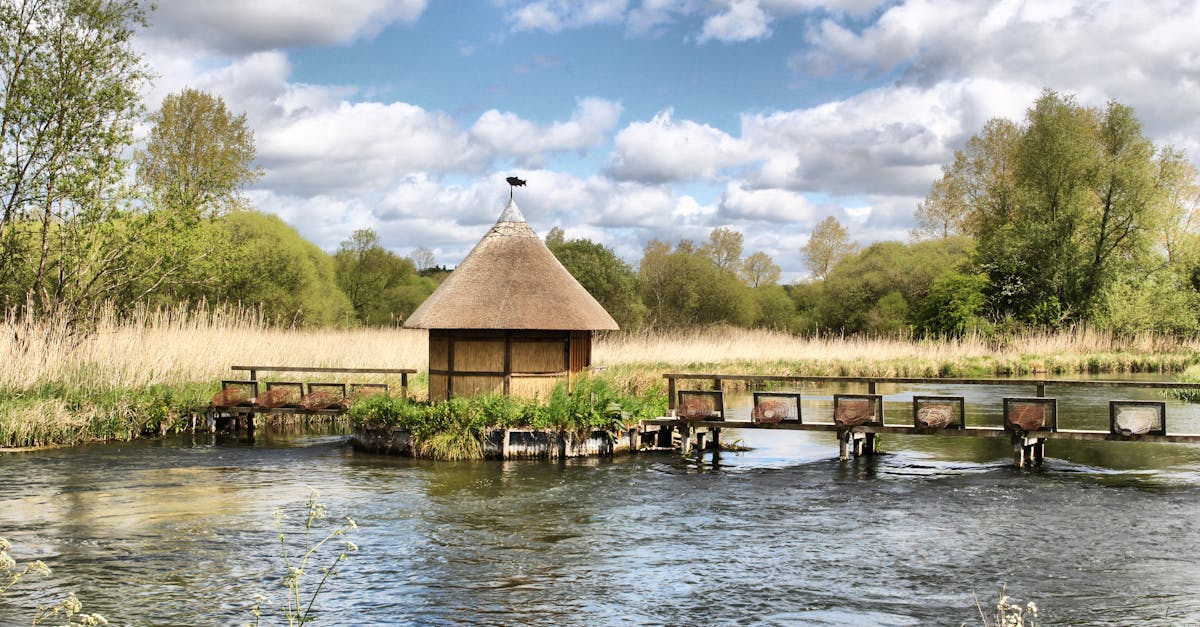
Stockbridge on the River Test reads like a charter for fly anglers. Chalk-clear water runs over gravel, watercress lines the margins, and brown trout tuck into seams where the river sighs. The texture of these streams defines a style: delicate presentation, accurate dry flies, small tippets. Halford's dry-fly gospel was written on banks like this; he argued for the perfect imitation casting lightly to spooky trout.
Technique and Temperament
Anglers learned to watch the water rather than chase noise. Precise mends and a soft landing matter more than brute distance. Nymphing arrived later, with anglers like G.E.M. Skues showing that trout feed below the surface; the two approaches coexist on the same mile of river. A fine rod, subtle fly selection and steady hands reward patience.
Chalk streams host brown trout, grayling and seasonal invertebrate hatches that set the rhythm of a day. The local vernacular—speed lanes, tailouts, glides—codifies what experienced fishers already know: the river speaks in lies, lies and lies again until it doesn’t.
Mornings often begin with boot-squeak waders and a cup, a single cast catching more than a fish: a precise moment when fly, line and fish agree. On still days a trout rises like a small coin, then vanishes.
Recommended: waterproof chest waders