
Stockbridge and the Chalk-Stream Way: Dry-Fly Craft on the River Test
The River Test at Stockbridge carries a particular silence: clear water, bright gravel, wild brown trout rising to a Mayfly hatch.
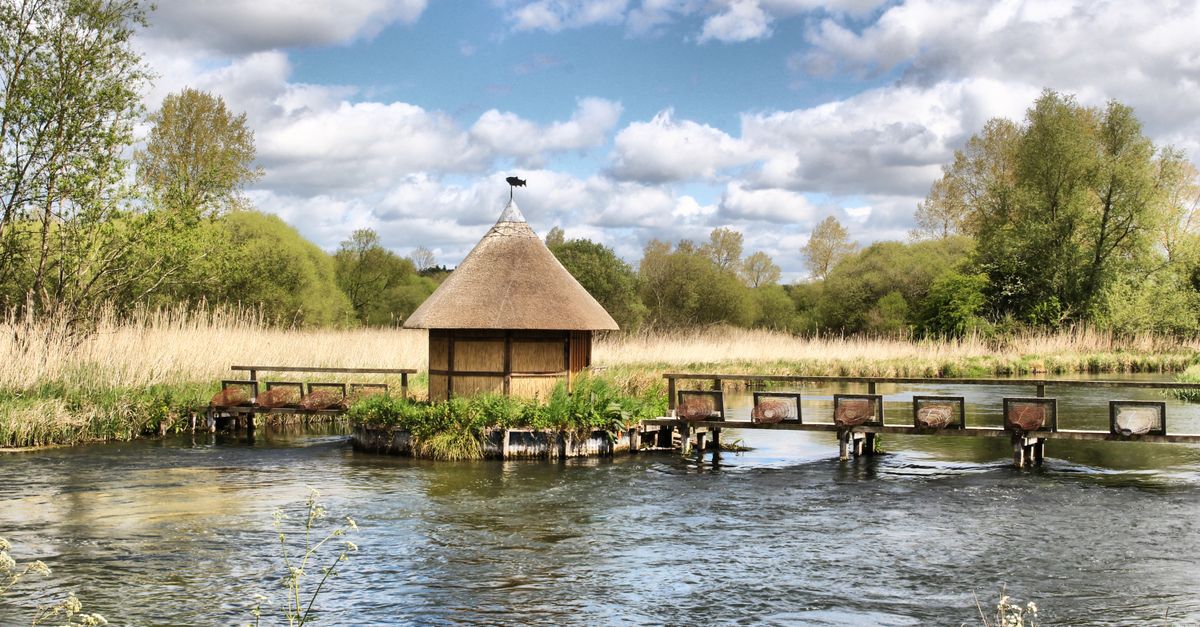
Anglers describe it simply: the chalk-stream eye. The water is a pale green glass over chalk and flint, alkaline and steady. Fish live under that clarity; they see everything and judge every drift. The craft on these beats is minimal movement, precise presentation, and an almost surgical use of a dry-fly.
Technique and temperament
The dry-fly here is not a showy performance. It is a single imitation set upstream, dead-drifted with subtle mend and an exact stop opposite the trout's lie. Brown trout and grayling demand patience. Flies mimic dun stages of mayfly and caenis hatches; presentation beats power. Gear reflects that ethos: light lines, delicate tippets, a balanced rod and soft hands.
Wading is cautious; the gravel beds hide pockets and runs. A quiet step, a long cast, and the angler reads the surface film — where foam gathers, where a ripple marks a lie. The River Test taught a generation to respect water clarity, to favour observation over brute force.
On a flat morning the hatch will begin and the whole river will look as if it’s been dusted with tiny wings. The trout will rise in discrete, confident sips, and the angler knows the day has turned true.
Recommended: waterproof breathable waders