
Evening Caddis and Sedge on the Stockbridge Reach
Stockbridge reach, River Test — 6–8 PM evening rises
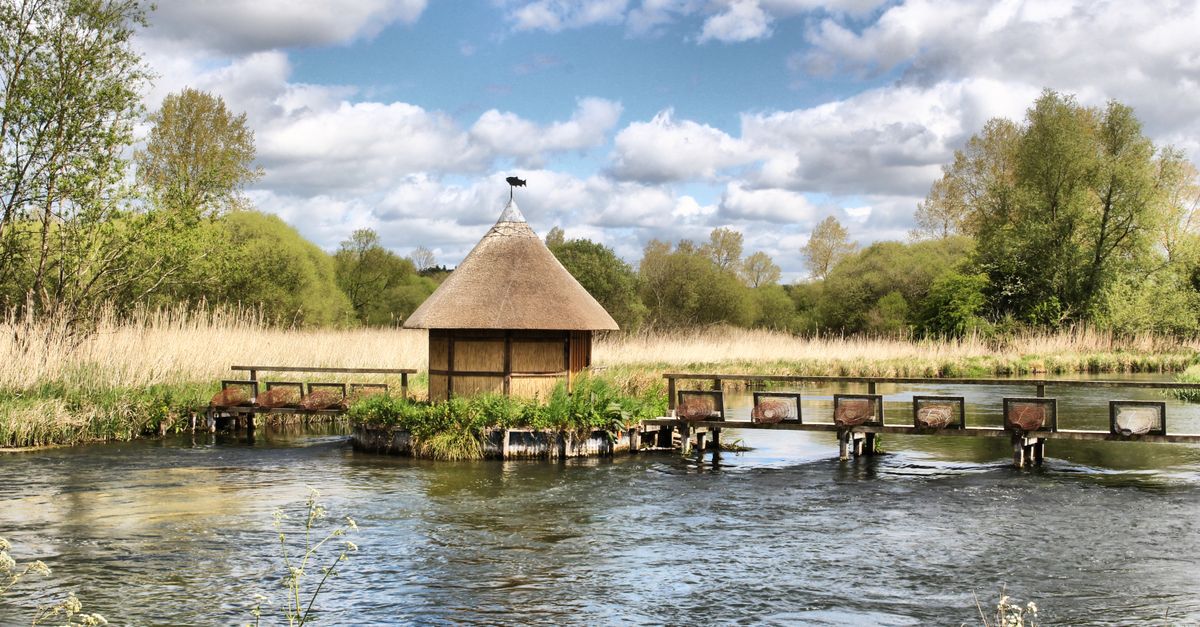
On the chalk of Hampshire, Hydropsyche sedge emergers and Trichoptera caddis start diving just below the surface at dusk; brown trout (Salmo trutta) switch to taking insects under the skin where rises break. These are precise, short windows from late May through August when spotted salmon push into 1–2 ft riffles and show in numbers from 10–18 inches.
Fly choices that work
All Season Sedge in sizes 12–14 with CDC (3 fibers × 3) and a deer hair collar for buoyancy matches the silhouette. CdC Caddis/Sedge with a twisted CDC body and swept wing rides the surface like a cripple. An Emerger with orange butt, size 16, gives the bright‑evening trigger. Fish a Nymph dropper on 18 inches of 4X–5X tippet beneath a dry when the surface is nervous.
Approach cues matter: hush steps and low profiles keep trout confident as light dies. A gentle twitch or wake across ripples imitates insects trying to escape; trout respond violently when a meal panics. Treat flies twice with floatant, home and bank, for maximum buoyancy in moving chalk water.
Rod choice around 7.5–8.5 ft, a 9 ft leader and 4–6 lb leader strength fit the Test’s clean gravel. On the Stockbridge reach, a correctly presented emergent often draws a clean, soft sip — then a sideways smash as dusk tightens and the sedge line glows under the moon.
Recommended: 4X fluorocarbon tippet