
Stockbridge morning trout briefing
Stockbridge Main gauge ~33.88 m: low, steady Test below Stockbridge
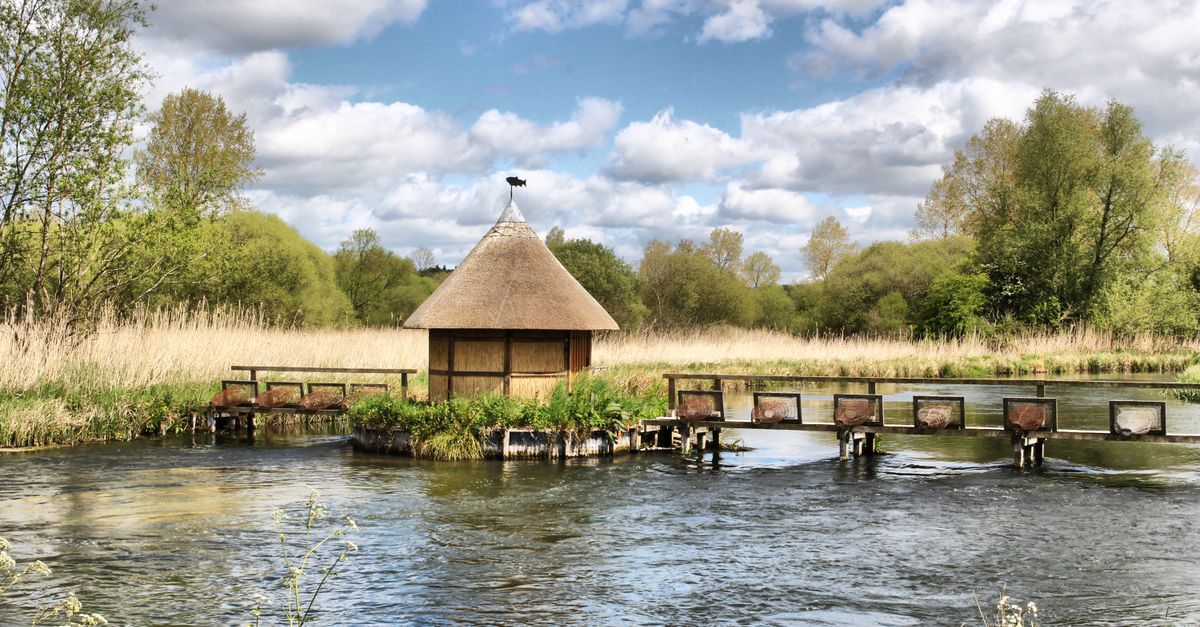
Stockbridge Main at roughly 33.88 m with the side channel near 0.47 m spells low, steady chalk-stream water. Sport shows in glides, the tails of runs and soft seams rather than hard riffles. The prime morning window runs the first 1–3 hours after dawn when the surface drift tightens and fish shift out of slack margins into feed.
Morning hatches and fly choice
Small caddis and sedge activity dominates in August; tiny upwings and midge-like movement still matter on the calmest slicks. Prime dry-fly patterns are CDC Elk Hair Caddis 12–16, Klinkhammer-style emerger 14–18, sedgehog 12–14, spent-wing caddis 14–16 and pale parachute duns 16–18 for selective takes. Brown trout hug weed edges, undercut banks and gravel lips; grayling turn up as deeper-glide by-catch.
A leader of 12–15 ft with 5X–6X tippet and flies mostly 14–18 gives the reach and stealth required. Presentation is dead-drift on a very short line, with a single gentle twitch only when fish commit to emergers. A light upstream mend and quartering casts keep flies natural across seams on long flats.
Watch soft inside seams, downstream edges of weed rafts, tongues of faster water entering flats and tail-outs where depth drops from about 2–4 ft. Trout will nosed into the near-bank slick where a narrow band of surface drift pushes along the shallows. Early sun sharpens silhouettes; shade under overhangs and weed shadow-lines hold the most reluctant fish.
At dawn a brown trout often slips from undercut gravel and takes a sedge with a soft splash as gold light burns along the chalk glass of the Test.
Recommended: 12-15 ft leader