
Dusk Rises on the Stockbridge Reach
Stockbridge reach, River Test
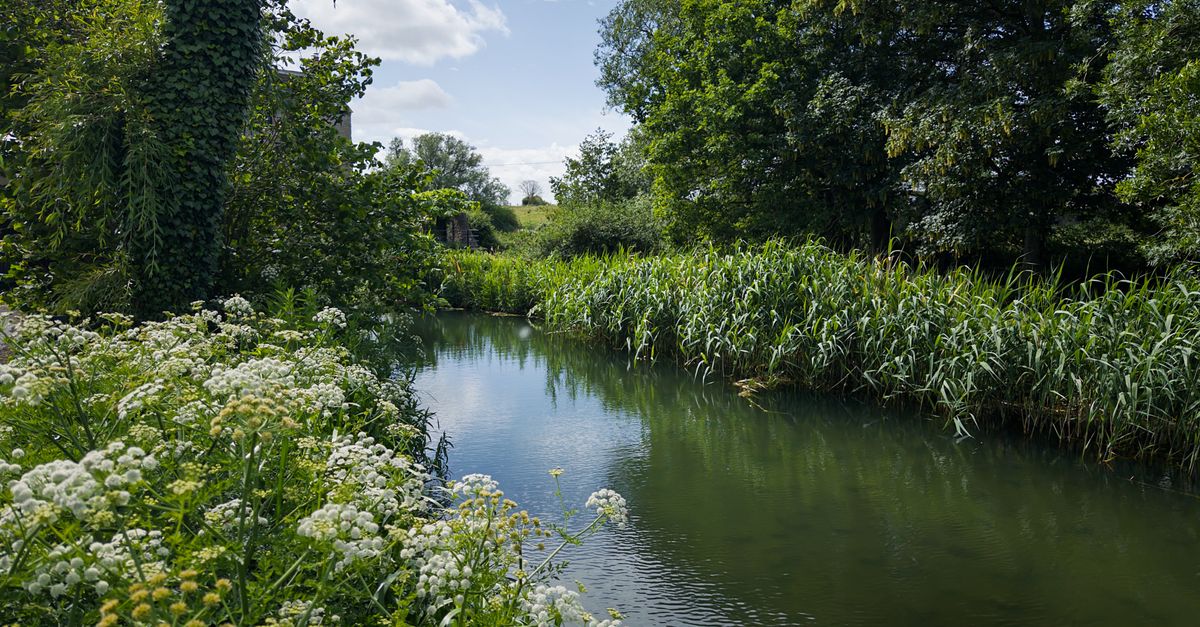
On the Stockbridge reach of the River Test, wider marginal vegetation and less bank mowing have transformed stretches that were once scoured and open into shaded, broken-flow lanes where brown trout take food at last light.
Restored riparian strips supply marginal plants and fallen wood, soften banks and reduce silt; the immediate payoff is more insect drift and more reliable dimples in the surface film as evening deepens.
Evening caddis pulse
On this chalkstream the caddis pulse concentrates in the warm dusk corridor, producing sustained surface activity. Trout shift onto inside seams beneath overhanging goat willow, along the slow crease beside the main run and in 1–3 foot shallow margins of carriers where emergers and adults get trapped.
Anglers working the Stockbridge reach now target the final 60–90 minutes before full dark, using a delicate approach: a 9-foot leader tapering to 4X–5X, tiny dry flies, subtle mends and quiet presentation to keep flies in the drift where evenings deliver steady takes.
What appears at dusk is a different rhythm — long, soft rises under the bank, repeated dimples along willow fringes, and trout holding in the new micro-habitats created by rewilded margins.
Recommended: assorted dry flies