
Evening Discovery: Stockbridge River Test Rises
Stockbridge on the River Test keeps at least 25% Ranunculus to sustain evening brown‑trout rises.
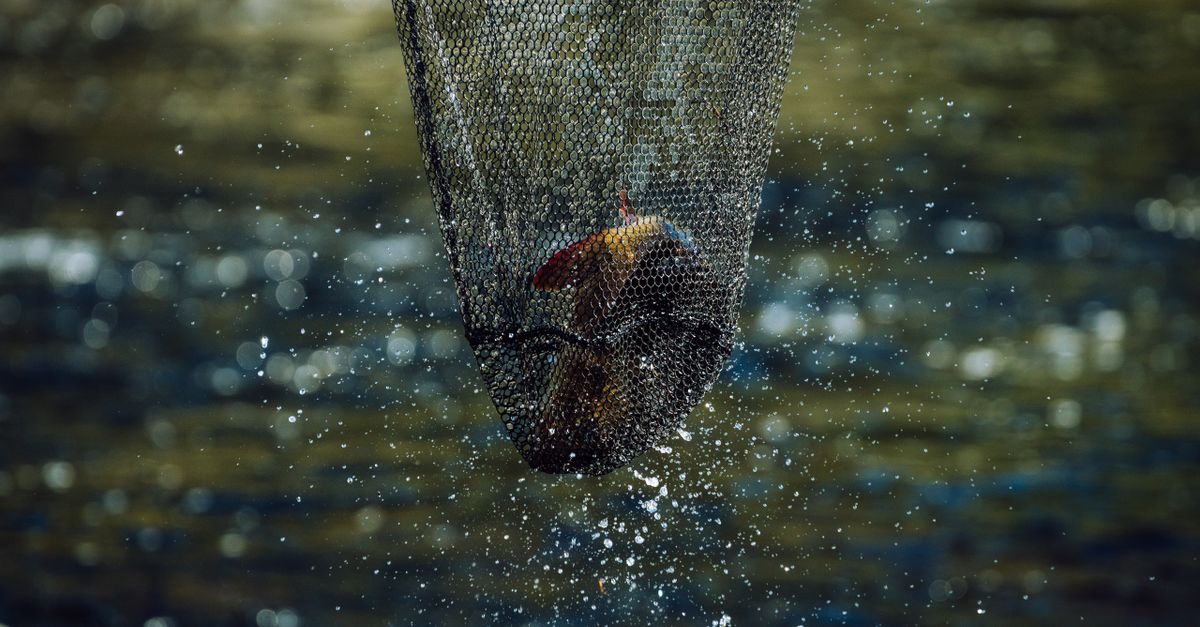
The cut of a weed lane here is not vandalism; it is a tool. On the Test, water crowfoot beds are managed as a patchy mosaic so drifting nymphs and olive hatches gather in seams and margins where Salmo trutta moves to feed as light falls.
Keepers rotate cutting rather than stripping full lengths. That practice creates short feeding lanes: a cut strip concentrates current, dislodges larvae and funnels food into open water. If cut weed is left briefly at the bank, many invertebrates crawl back, boosting the evening pulse.
Flow, banks and refuge
Restoration around Stockbridge has pushed for varied flow and gentler bank profiles. Deep, uniform channels choke chalk‑stream flora. Where carriers and braids are managed to slow and speed water in turns, Ranunculus flowers, mayfly and olive nymphs thrive and trout find holding lanes of different depths.
Local angling practice follows agreed cutting periods and removes no more than around 40% of beds at any time. A keeper’s choice of where to leave weed, which marginal reed to clip, and when to extract cuttings shapes the very rhythm of evening rises, and the picture closes on a trout breaking the surface, rings widening over a Ranunculus seam.
Recommended: waterproof river boots