
Stockbridge chalk-stream corridors
Stockbridge: River Test holds steady 10–11°C and draws dusk trout
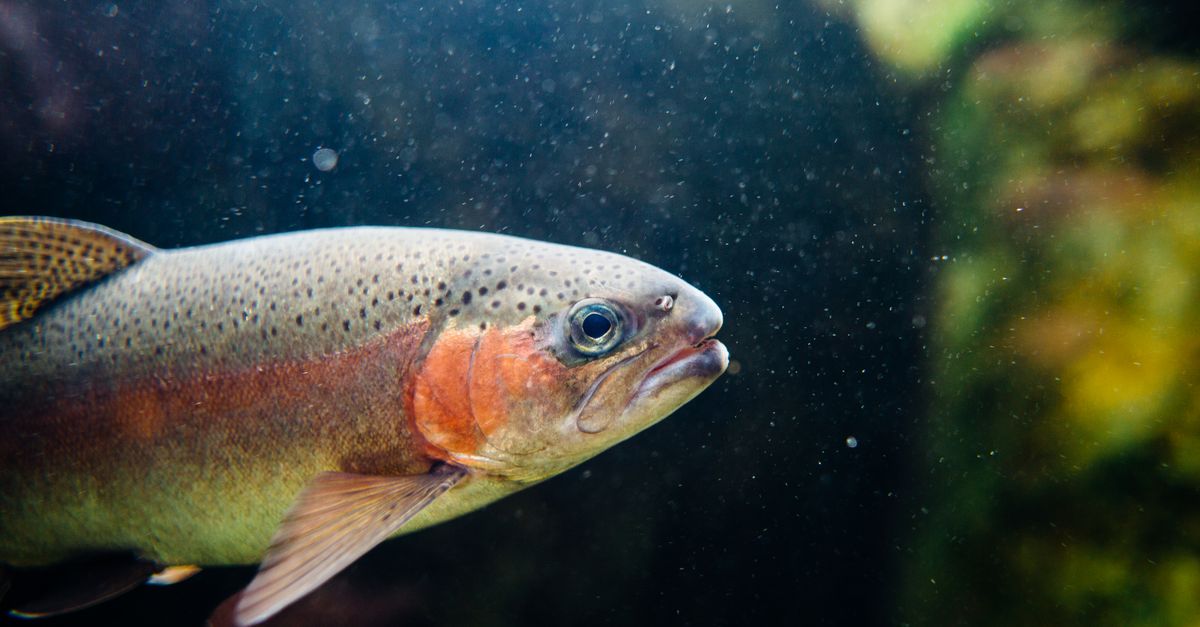
On the Stockbridge beat the chalk aquifer gives the Test famously clear, cool flow and a steady 10–11°C that steadies insect life. Clarity and temperature mean emergences concentrate, not scatter. Brown trout patrol predictable lanes at dusk where gravel runs meet watercress fringes and shallow glides. The sight is precise: a dark back, a silver flash and the surface dimples.
Why emergences concentrate
Spring-fed chalk keeps flow even; gravel and marginal ranunculus provide pupation sites for caddis, notably the Grannom caddis (Brachycentrus subnubilus). Insects leaving gravel, weed and silt collect in the drift line along seams and troughs. That drift funnels food into narrow corridors so a bank or a seam becomes a predictable hunting ground for trout.
Practice on Stockbridge and downstream beats preserves those lanes: keep side channels and marginal vegetation intact and clear only short gravel sections of about 20–30 metres so nymphs survive. Watercress beds and neat ranunculus patches create the edge habitat where sedges and grannom emergences concentrate at first light and at dusk.
Walton-era lore sits beside modern angling craft and local kitchen habit; market trout pan-seared in butter with chopped watercress remains a Test-side favourite. Anglers approach with dry fly rigs, a light leader, lightweight waders and a long landing net, moving quietly along the bank and watching the seam as light falls for the trout to rise beneath Stockbridge bridge.