
Tamar Dusk Corridors
River Tamar estuary's last hour of ebb and first two hours of flood
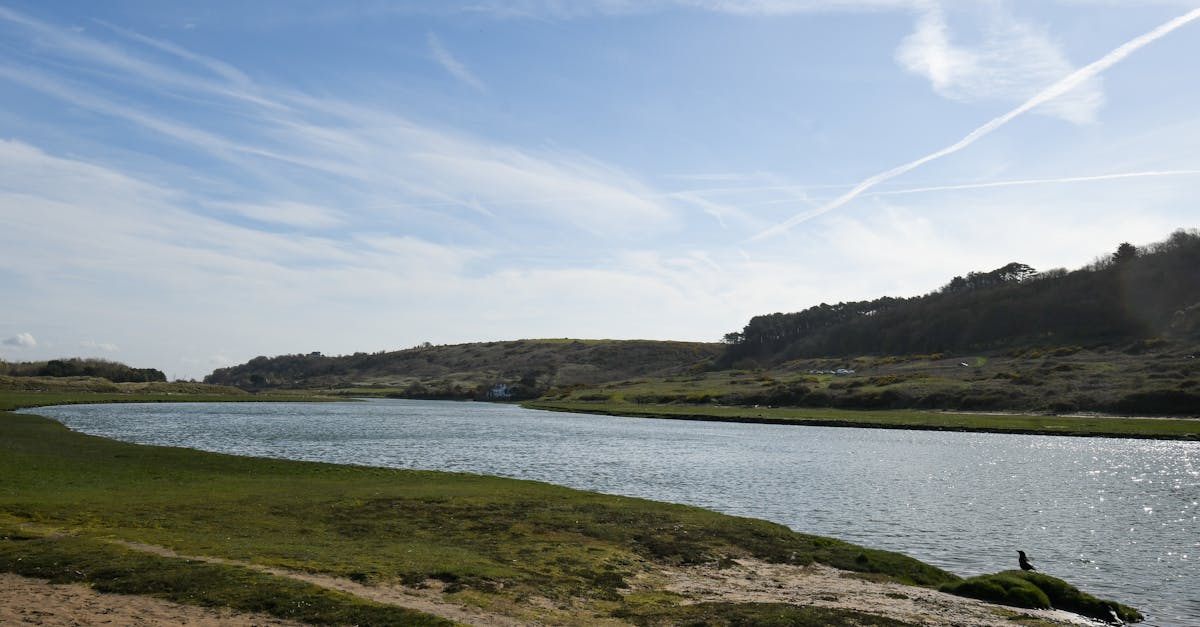
River Tamar estuary tides compress prey into seams and gullies at dusk, and that pulse is a corridor. Bass and sewin (sea trout, Salmo trutta) line the current break where moving water meets slack. The trick is reading the flow, not waiting in dead water.
Where to intercept
Local marks matter: a harbour mouth, a sea-wall change, a river bend with a defined channel edge, or an obstruction that creates an eddy. Bass favour shallow-to-deep access so a 2–4 m drop with an adjacent flat is prime. Sewin stays tighter to deeper glide edges and outflow tongues, slipping the margin of faster water rather than the run's centre.
Practical timing is blunt: the last hour of ebb and the first one to two hours of flood after dusk. Fish position where food is funnelled past them—shore crabs, prawns, small fish, squid and drifting mackerel—so cast into the seam where bait is compressed against the channel edge.
Night sessions call for scent-rich baits and firm casts across the current; daytime low light prefers twitching lures and small plugs along the drop. The image is clear: a slick of incoming tide, foam on the edge, and a flashing sewin or explosive bass taking the conveyor-belt feed as dusk closes in.
Recommended: scent-rich bait strip