
Evening Sewin on the Teifi
Cenarth on the River Teifi — quiet-bank evening sewin
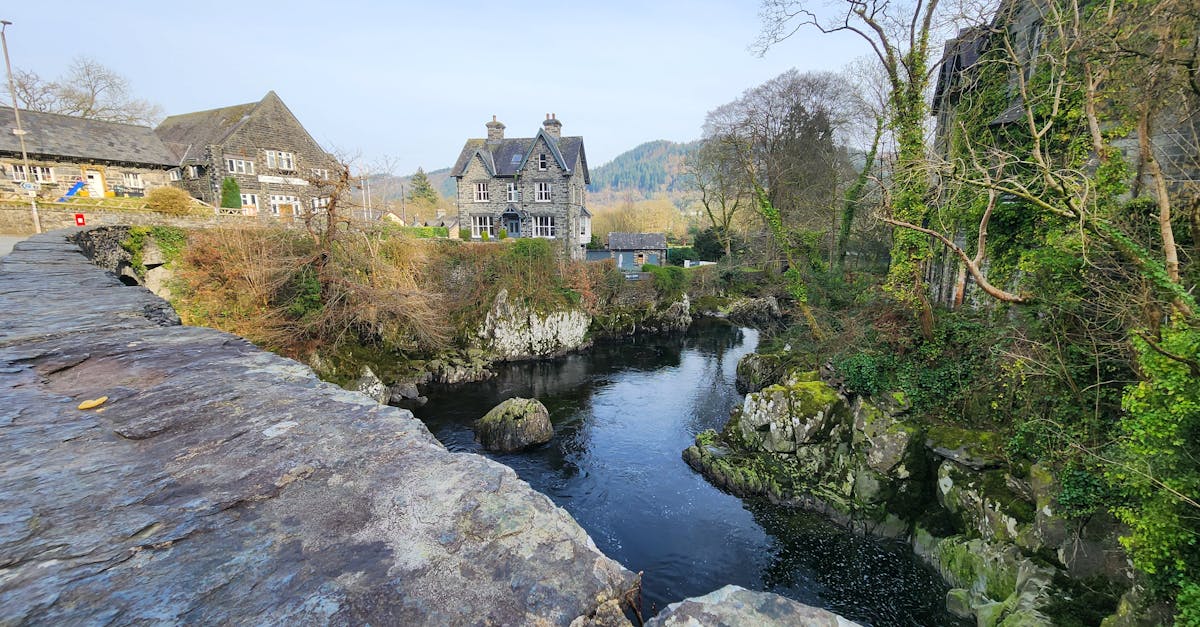
Cenarth's downstream seams below the falls hold sewin in knee‑deep shelves as light fades; anglers favour edges, far‑bank cover and slow lanes where fish sit shallow to mid depth without showing. A quiet bank approach and short, careful wades change the game more than frantic casts.
Leader choice leans heavier after dark: 16–20 lb tippet material and a practical 6–9 ft leader for floating-line work is the starting point on Teifi‑scale water. Keep the rig simple; avoid light mono. Use a double surgeon's knot for leader joins, an FG or Albright for braid to leader, and a Uni knot to secure flies.
Line selection follows depth not ego. A floating line is best for surface wakes, small wets and very shallow evening runs. Move to an intermediate or sink-tip line when fish sit deeper in glides, tail‑outs and pools; a sink-tip line delivers controlled depth without spooking fish. Before full dark keep flies up to about 1 inch; later switch to 1 inch+ profiles and, in deeper water, slow 75 mm+ patterns.
Reading seams: pick soft pace changes where fast water meets a slow lane, cast to knee‑deep to waist‑deep shelves with a slightly deeper opposite edge, and probe glide ends and dark banks. Cast close to the far bank, vary angles and retrieves to test depths; taps call for a smaller fly and a slower, paused retrieve. Light wading boots help silent entries and short stalks.
Practical drill
Start floating with a long leader and wake fly; if nothing, swap to sink-tip line, shorten leader and present a larger, slower profile. Repeat casts along the seam until the fish tell their depth. A 16–20 lb leader cutting a pale moonlit seam as a sewin turns is the surest sign of a correct setup.
Recommended: light wading boots