
Teifi Morning Briefing: Cenarth Sewin Windows
Cenarth falls on the River Teifi: main run of 4–6lb sewin peaks in mid‑July.
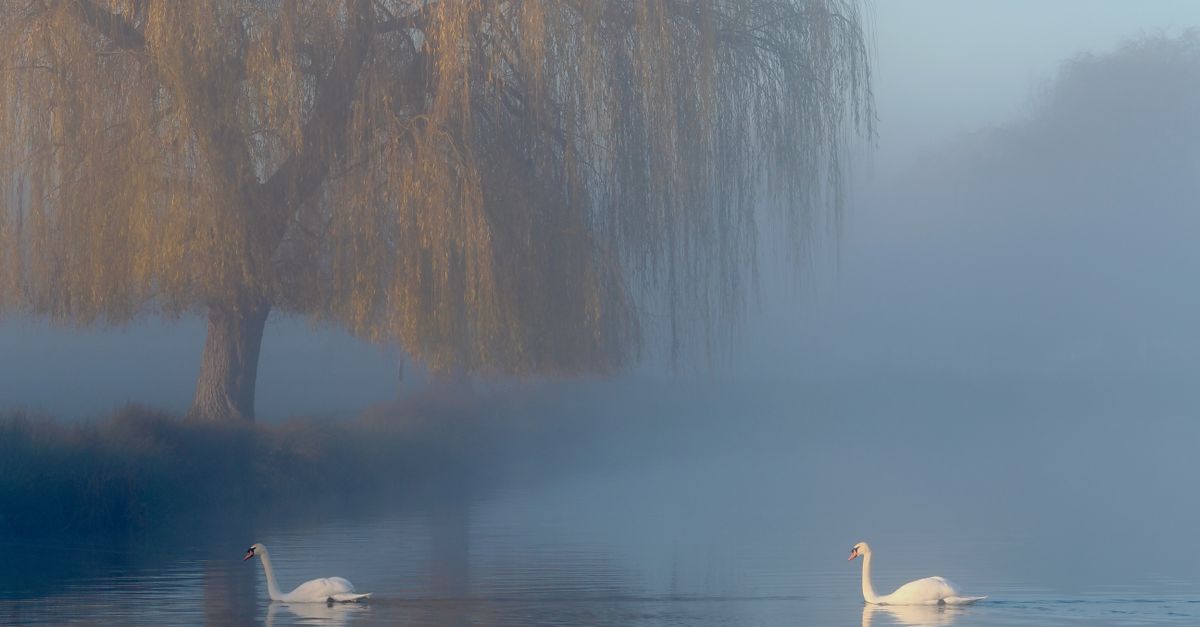
Early light brings compact stacks of sea trout below Llechryd where tidal water meets fresh flow. Fish come as a main run of 4–6lb with plenty of smaller 2–3lb school fish through June to August. The seams to watch are broken water, pool heads and riffle tails; seams where the tide slams into the river hold the densest fish.
Tide timing is decisive. Sewin feed hardest during maximum current — the steepest slope on a tide chart — typically 30–60 minutes after high or low tide. At dawn in July target the incoming tide just before and during first light, often around 05:00–05:30, when the surge pushes fish upriver from Cardigan Bay.
Rigs and flies
Teifi flies run small: size 8–10 for dries, smaller nymphs 10–14 for tails and riffles. A CDC dry + small tipper combo is ideal — CDC for float and lifelike drift, a tiny tipper nymph or light wet to tempt follows. Hare’s Ear nymphs, March Brown wets in coloured water, and a mini Zonker or Muddler for dirty, rising flows are proven choices.
Use a longer leader (12–14ft) with fine tippet (0.12–0.14mm) in clear dawn water; step up the diameter as colour or low light demands. A 5–6wt floating line suits delicate dry work; switch to a short‑line wet setup for nymphs and streamers.
Water pushes after rain spark fresh runs — the first pulse of colour is often golden. The morning when the incoming tide rips into the broken seam below Llechryd and a silver sewin slashes the surface after a CDC dry is a Teifi memory every angler knows.
Recommended: 12–14ft tapered leader