
Test caddis seams at dusk
Chilbolton Fishing Beat on the River Test, a 280-metre private stretch, shows the ritual plainly
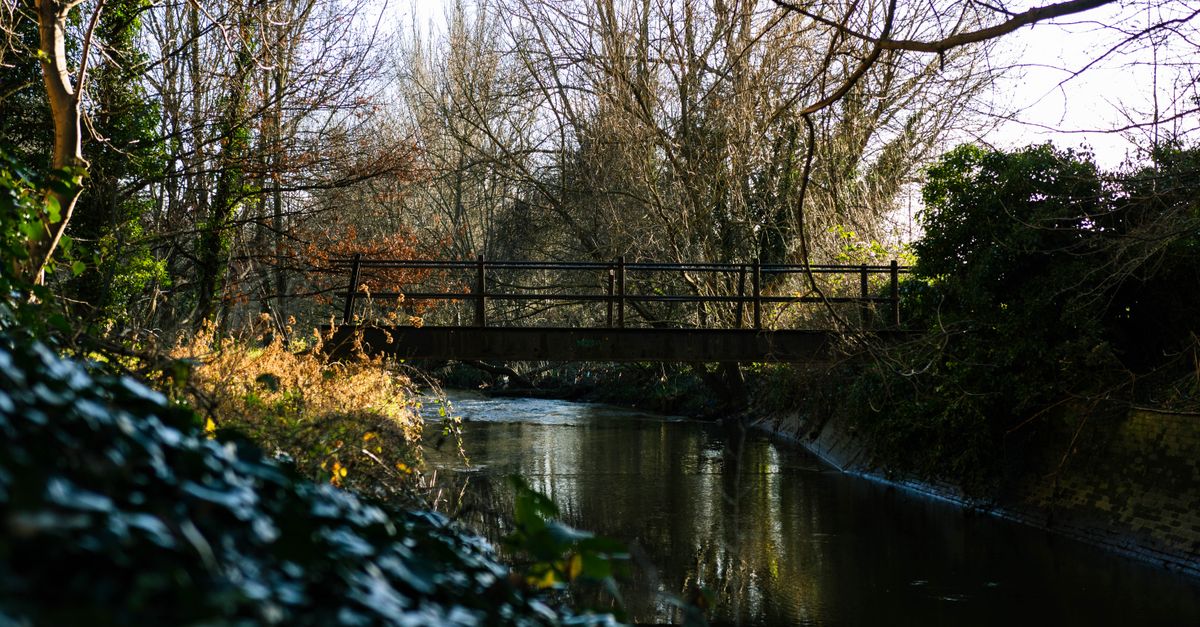
On the Hampshire chalk stream that rises near Ashe and runs for about 40 miles, brown trout begin to move into the foam and bubble seams as evening arrives. Caddis species take to the surface to mate and lay eggs; those skittering adults, and the odd drowned spinner, concentrate along flow lines where water speed meets slack.
Chalk-stream hydraulics matter. Foam seams are conveyor belts that collect drifting insects and create oxygenated lanes. Trout hold in the turbulence edge to intercept the steady feed with minimal effort instead of chasing in open water.
Dry-fly cues for dusk stalking
Presentation is simple and precise. Fish the seam—just beside faster water—using caddis patterns in size 10–16 and smaller sedge imitations in 16/14 for pressured beats. Start with a dead drift; then introduce a tiny skitter or lift to mimic an adult caddis waking or escaping the surface tension.
Leader selection matters; a solid connection with about 4 lb minimum keeps hooksets honest when a trout slams a skittered fly. Tan, brown and olive shades sell the silhouette; an upstream approach and careful wading preserve the light and line control that late‑evening rises demand.
At last light a brown trout appears like a shadow under the foam, slips forward and takes the caddis with a clean, soft rise—then melts back into the seam while the hatch keeps pulsing and the river darkens.