
Test dawn caddis briefing
Stockbridge–Romsey: caddis pulse on the Test
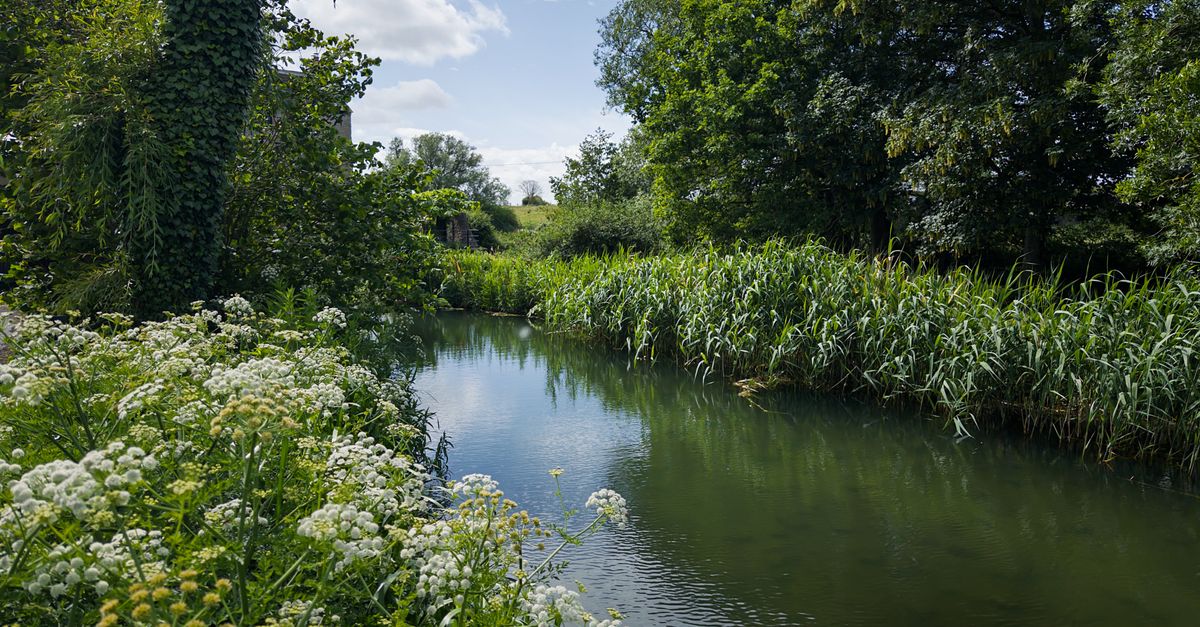
Stockbridge Weir and the glide toward Romsey light up at first pale dawn in mid‑July: a tight caddis pulse that sends brown trout into short, sharp surface feeding. Rises are precise and localised; the moment a fly lands correctly the trout commits.
Walk the left bank downstream of Stockbridge along the National Trust Test Valley paths, keep to footpaths by the B3398, and approach the Romsey Loop before first light. The flats below the weir and the deeper runs by Romsey Road bridge hold staging trout that steam into the shallows for emerging caddis.
Elk Hair Caddis in olive or tan, Grey Caddis and CDC Thorax Caddis sized 14–16 match the hatch; Caddis Pupa Nymphs work behind a short leader when fish are taking subtlely. Light wading boots, a long leader and a fine tippet favour drag‑free presentation over glassy water.
Typical mid‑July chalkstream levels sit around 0.30–0.45m at Stockbridge with dawn temperatures close to 12–15°C, producing a dry‑fly window from first light until roughly 09:00 before the heat shuts the surface. Clear water means shadowless approaches and soft, accurate casts.
What to expect at first light
Dawn brings tight risers on gravel seams, brief rolling takes over shallow glide margins and lone brown trout slipping from deep heads into film‑level feeding. A trout breaking the glass behind a spent caddis, the fly still afloat — that single scene defines the morning on the Test.
Recommended: waterproof river boots