
Caddis Dusk on Test & Itchen
On the River Test at Stockbridge, brown trout key on caddis emergences at dusk.
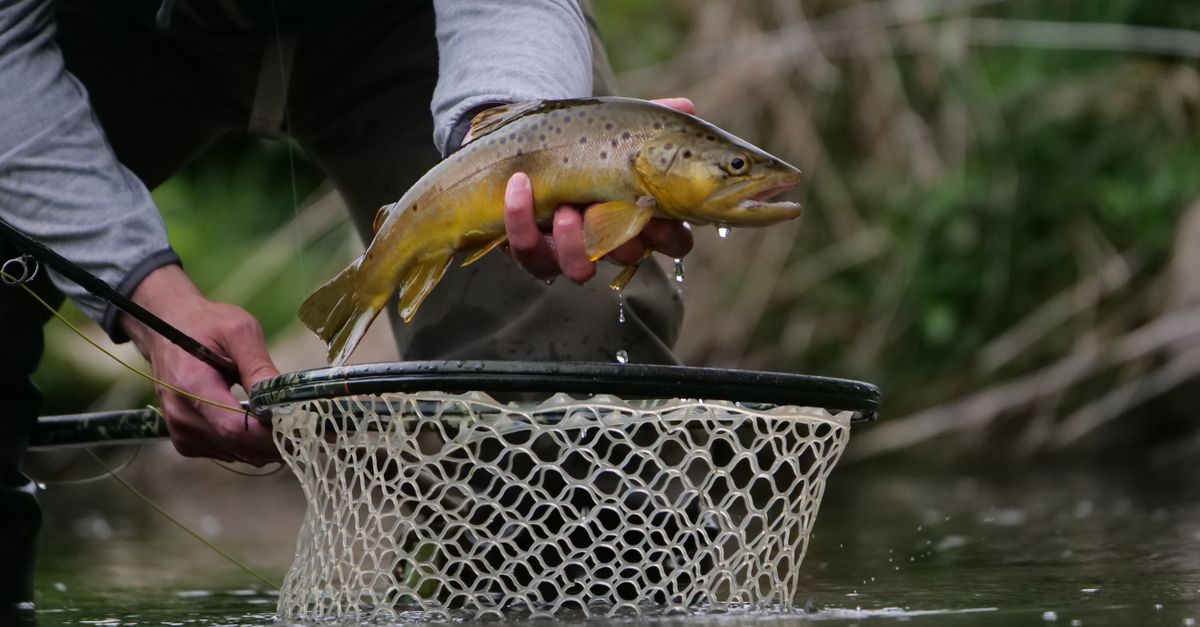
Trout commonly attack caddis pupae as they swim upward; the low light of sunset lets fish hold shallow lanes with confidence. Signs are subtle — porpoises, a flashed dorsal, tails or small splashy rises rather than tidy duns sipping the surface.
Feeding lies matter most on chalk. Slow glides, converging currents and gravel runs concentrate drifting pupae. On the Test and the Itchen trout sit in those food lanes, intercepting emergers before adults fully break the film.
Evening cues and reads
Rises with no obvious insects on top point to pupae. Short rolling rises and fish breaking the surface then turning down are classic emergent takes. A splashy aggressive rise calls for a soft-hackle or emerger; neat head‑and‑tail sips demand a dry.
Presentation is dead-drift first. Set the fly higher in the column when porpoising occurs, then vary toward mid-water if fish chase upward. Practical setup: leader 12–15 ft, tippet 5X–6X, flies #14–#18. Start just under the film and work deeper if needed.
On a sunset beat a chalky lane will light and darken in minutes; a trout porpoises, the caddis pupae break the surface and a pale sky watches the soft-hackle vanish beneath a ripple.
Recommended: 5X fluorocarbon tippet