
Evening Caddis: Reading Chalkstream Dusk Rises
On the River Test and River Itchen, dusk rises follow a short caddis and mayfly pulse
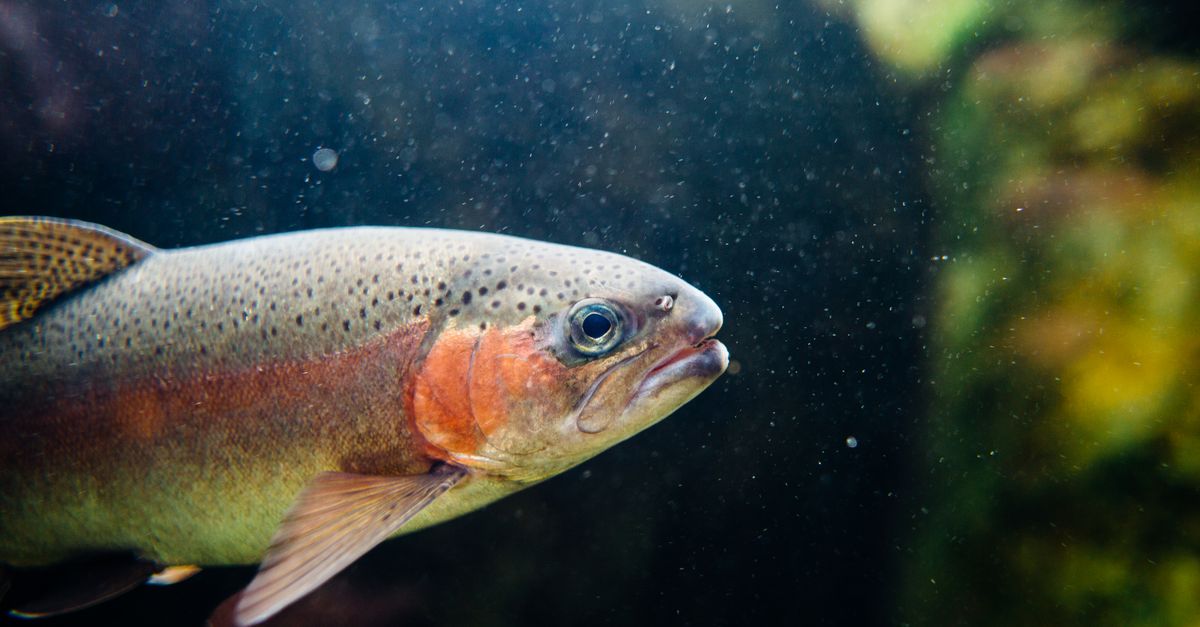
Chalkstream trout move onto shallow feeding lanes as light falls and surface drift becomes easier to read. Feeding concentrates in bubble lines, seams and shallow glides where emerging insects collect; fish commonly take in the last metre or two of a lie.
Reading hatch timing means watching when a few adults appear and where rises first break. Often the air shows little yet an upstream hatch is already running. Bridge cobwebs and spent wings at margins betray what hatched the day before; matching that pattern keeps flies convincing.
Cast upstream to a rising fish, keep the fly drag-free and dead-drift the small dry fly through the seam. When trout sip rather than slash, a high-floating caddis pattern works; when takes are tentative, emergers or cripples that sit in the surface film win the game. A skated caddis over broken water will trigger splashy, committed takes when trout are keyed on adult caddis.
Focus on riffle tails, undercut margins and current seams at dusk. Fish often feed where insects are hard to see; the rise forms and micro‑habitat betray the zone. Wading boots, light leader and a spare emerger pattern repay a double evening session as the last pale light turns surface shine to silver and a brown trout explodes on a skated caddis.
Evening tactics and micro‑habitats
Dead-drifting the fly tight to the seam and through the final 1–2 metres of the lie is where most interceptions happen; read the rise, commit the upstream cast and let the natural finish the story.