
Punt, bank and bait: Thames pike angling
Eton College bank has hosted pike anglers since the 19th century
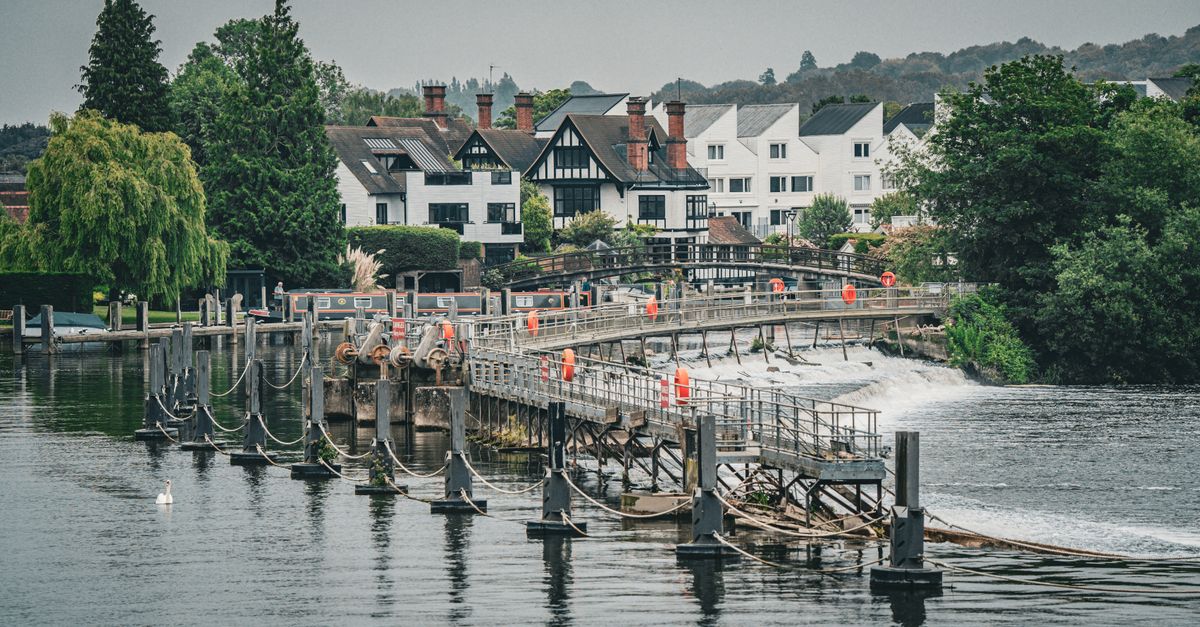
Eton College bank has hosted pike anglers since the 19th century, when punts and skiffs threaded the backwaters below Windsor. Victorian puntmen, dockside hands and market fishermen pulled lines between eel-weirs and barge-moorings; pike were nuisance, prize and plain business, a predator in a river defined by work as much as leisure.
Victorian routines to modern evenings
Coarse angling’s rise into clubs and managed beats rewrote that rough practice into timetables and tournaments. West-London reaches became meeting places: scheduled sessions, shared tea, swapped rigs. The river acquired a visible constituency rather than isolated hobbyists, and the social ledger of fishing carried status alongside skill.
The Thames kept producing fish. Pike swims with perch, chub, roach and bream; guides and club anglers now use a mix of approaches, favouring lures and deadbaits under a float, and altering retrieve speed to match water and season. Thames pike are available through the fishing season, which keeps evenings active from Eton and Windsor downstream to Greenwich and Gravesend.
The picture today blends memory and method: punts, banks and small boats, club badges, and guided Thames pike evenings. At dusk a guide slips a float into the willow shade, a lure flashes, a rod bends—and the old river stories surface with the fish.
Recommended: assorted fishing lures