
April 15 — Maritime milestones and modern fishing
April 15: maritime milestones and marine life
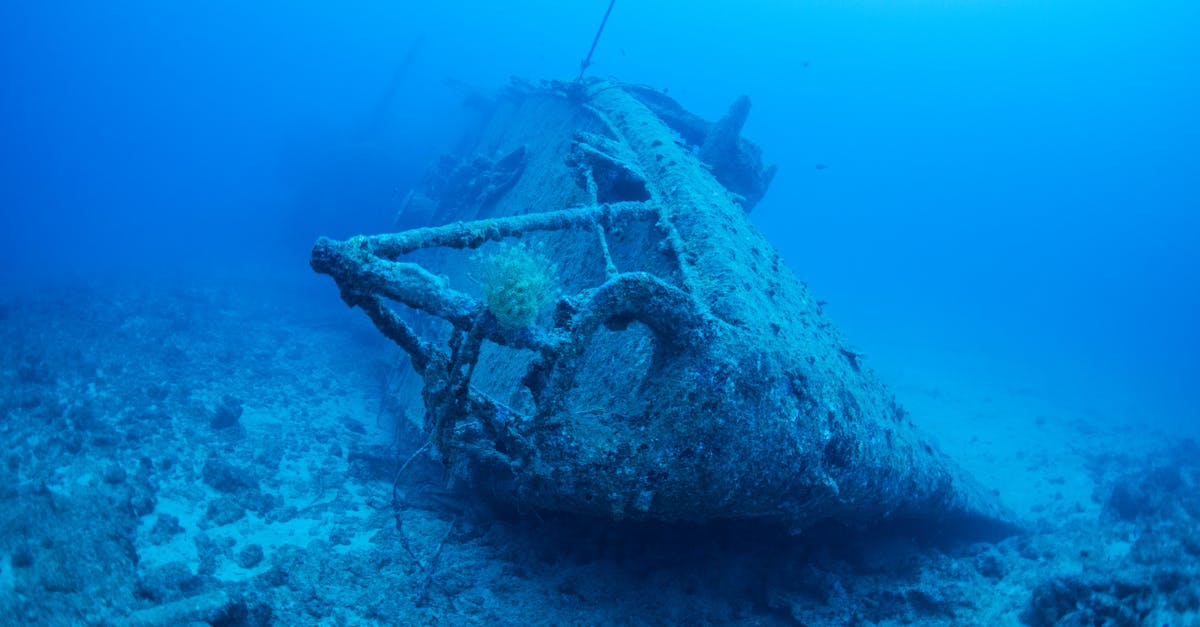
RMS Titanic and the ocean's response (15 April 1912)
On 15 April 1912 the passenger liner RMS Titanic foundered in the North Atlantic after striking an iceberg, a catastrophe that claimed more than 1,500 lives. The disaster exposed the perils of transoceanic travel and spurred improvements in iceberg monitoring and safety at sea. In the decades since the wreck's discovery in 1985 by Dr. Robert Ballard and a French-American team, scientists have studied how shipwrecks become artificial reefs: steel and timber provide substrate for corals, sponges and bacterial mats that attract fish and crustaceans.
From tragedy to protection: patrols and laws
Responses to Titanic included international efforts to track ice hazards and to improve maritime safety; these initiatives, and later conservation thinking, helped shape 20th- and 21st-century marine policy. In the United Kingdom the Marine and Coastal Access Act received Royal Assent on 12 November 2009, providing powers to designate Marine Conservation Zones and manage fisheries more sustainably. Such tools reflect a shift from viewing the ocean as open commons to recognizing discrete habitats in need of stewardship.
Practical tie-in for modern UK anglers
For contemporary recreational fishers the lessons are plain: know local Marine Conservation Zones, respect seasonal closures and use appropriate safety kit. Carry a certified lifejacket when fishing from boats or rock platforms, use barbless hooks and lightweight rod tackle to reduce injury to released fish, and report unusual wildlife or wreck sites to local authorities so science and conservation can continue to learn from the sea.
Recommended: spinning fishing rod