
April 11 — Maritime milestones for coasts
April 11 — Maritime milestones for coasts
On or around April 11 the sea has produced moments that reshaped coastal life. Two stand out: the departure of RMS Titanic from Southampton in April 1912 and the grounding of the oil tanker Torrey Canyon off Cornwall in March 1967. Both incidents altered safety, regulation and the fortunes of fishing communities.
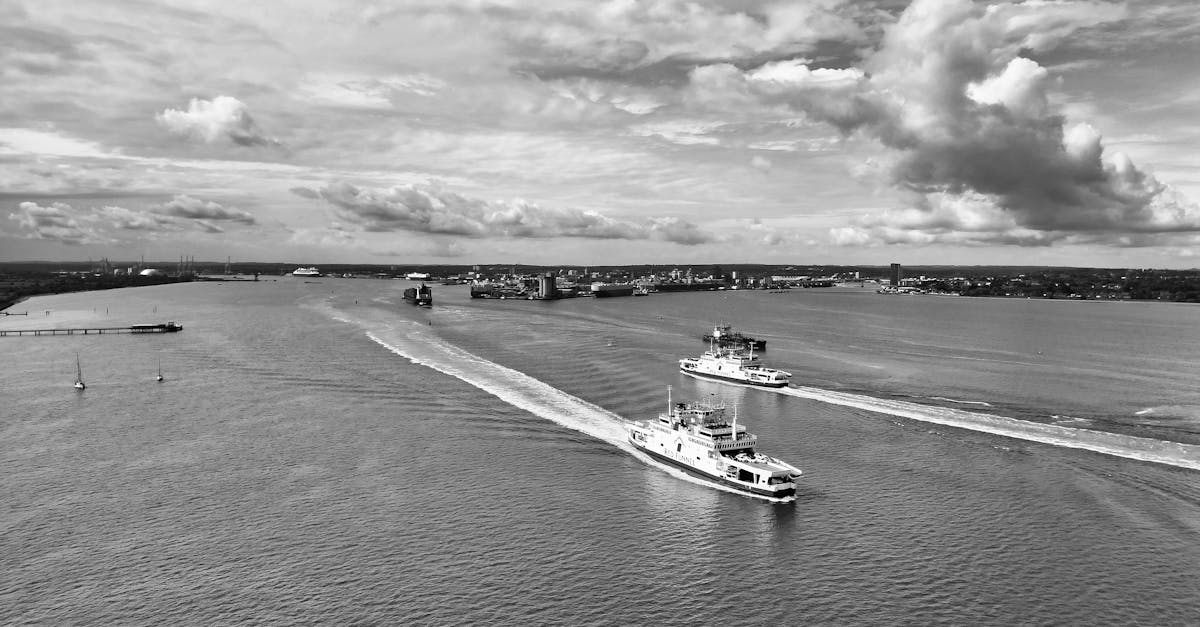
Titanic and a push for safer seas (10–15 April 1912)
The White Star liner sailed from Southampton on 10 April 1912 with about 2,224 people aboard. After the vessel struck an iceberg on 14 April and sank in the early hours of 15 April, roughly 1,500 lives were lost. The tragedy accelerated international agreements on lifeboat requirements, 24‑hour wireless watches and regular lifeboat drills—measures that later improved safety for merchant ships and coastal fishing vessels around British waters.
Torrey Canyon and coastal ecology (18 March 1967)
On 18 March 1967 the supertanker Torrey Canyon ran aground on Pollard’s Rock, west of Lands’ End. The resulting oil pollution fouled miles of shoreline, killed thousands of seabirds and closed local fisheries for months. The incident forced changes in oil spill response, coastal monitoring and compensation mechanisms for fishing communities and shellfish beds.
For modern anglers in the United Kingdom the practical takeaways are clear: carry reliable safety kit such as a personal lifeboat or buoyancy aid, obey seasonal and emergency fishery closures, and use durable fishing rod and waders to fish responsibly while coastal ecosystems recover.
Recommended: lightweight travel rod