
May 1 — Fishing history: dynamite, dams and the Thames Barrier
May 1 — Two moments that reshaped water
May 1, 1867 — Alfred Nobel and a dangerous invention
May 1, 1867 carried a single fingerprint on modern seas: Alfred Nobel’s patenting of dynamite in 1867. It’s a technical milestone with a dark shadow for fisheries. Dynamite made blasting easy and cheap. That led, within decades, to indiscriminate blast fishing from tropical reefs to coastal shoals. Entire nursery grounds were shattered. Fish stocks collapsed where communities turned to explosive takes. The ecological damage from those early years still echoes in reef recovery time and lost spawning habitats.
May 8, 1984 (around May 1) — Thames Barrier closes a chapter
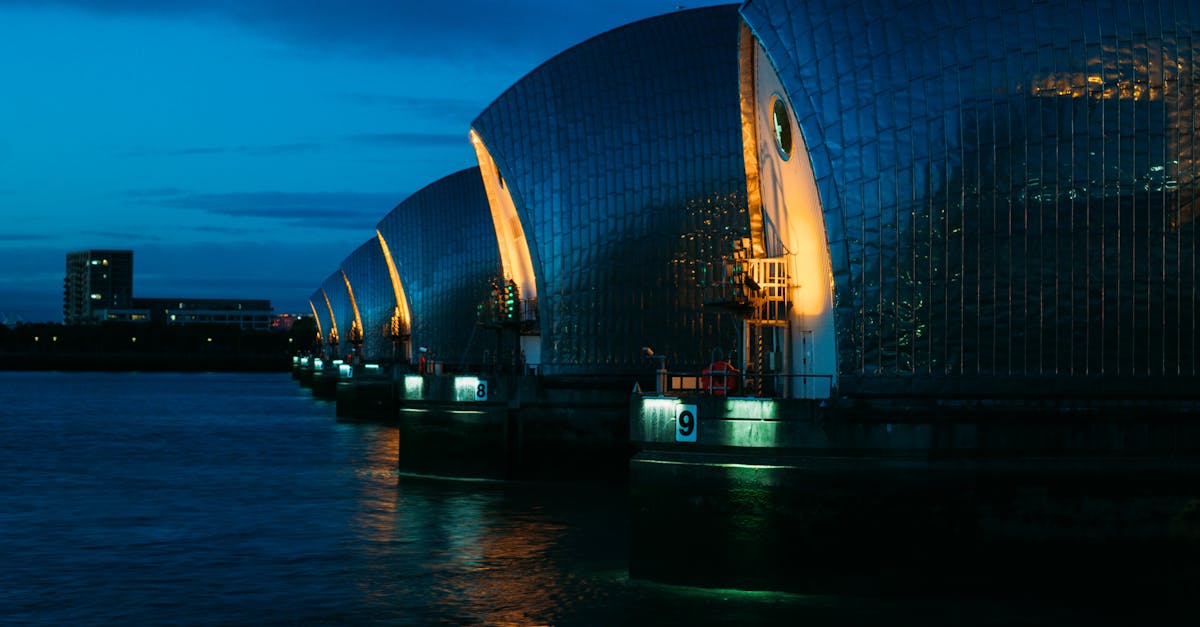
Days after May 1 in 1984 the Thames Barrier was formally opened on May 8. Built to protect London’s tidal River Thames, the barrier altered estuarine flow, sediment patterns and fish migration routes. The concrete and steel line across the Thames changed how smolts and eels navigate upriver. Engineers and ecologists learned to balance flood defence with fish passes and managed openings. That balance still dictates dredging, bait choice and where anglers park their boats on spring tides.
Practical tie-in for UK anglers: carry stout waders and a reliable reel on tidal rivers. Both make the difference when currents shift after barrier closures and when fishing altered river margins along the Thames and other regulated waterways.
Recommended: lightweight spinning reel