April 18: Seas, Spills and Conservation
April 18: Seas, Spills and Conservation
Two turning points around mid‑April
On and around April 18 history recorded moments that reshaped thinking about seas, fisheries and coastal life. Two linked events illustrate the environmental stakes: the Deepwater Horizon blowout (April 20, 2010) and the birth of modern Earth Day (April 22, 1970).
Deepwater Horizon, Gulf of Mexico — 20 April 2010
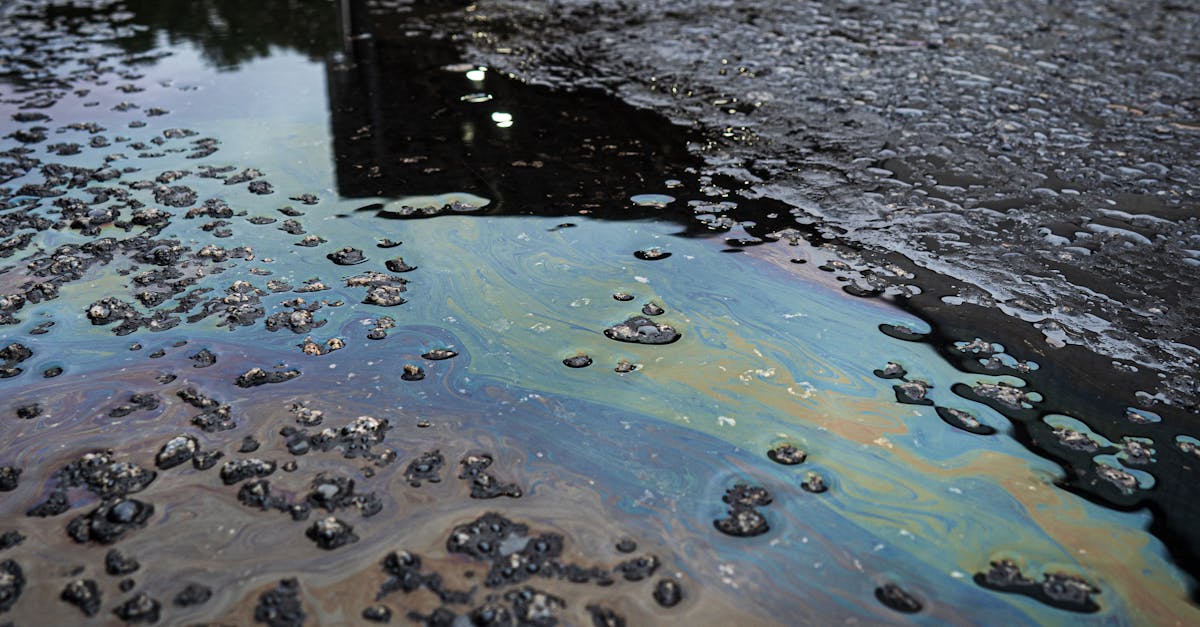
The Deepwater Horizon drilling rig exploded on 20 April 2010, off the coast of Louisiana. Eleven workers died and an estimated 4.9 million barrels of oil escaped over 87 days, fouling beaches and coastal marshes, killing birds and marine life, and forcing prolonged fishery closures from Texas to Florida. The spill prompted long‑term monitoring of stocks, restoration projects and renewed scrutiny of offshore safety practices.
Earth Day and the rise of marine conservation — 22 April 1970
Earth Day on 22 April 1970 mobilised roughly 20 million people in the United States and seeded a global environmental movement that influenced policy and public awareness in Britain. UK organisations such as the Marine Conservation Society (founded 1983) drew on that momentum to champion beach cleans, species surveys and sustainable fisheries.
Practical tie‑in for UK anglers
Those mid‑April milestones still matter to anglers in the United Kingdom. Best practice now includes checking pollution and shellfish alerts, using biodegradable rigs, practising careful catch‑and‑release, and keeping rods and reels well maintained to reduce lost gear. Prompt reporting of pollution or unusual fish kills helps protect rivers and coasts for future seasons.
Recommended: spinning fishing reel