
May 6 — Fishing, Rivers and the Sea
May 6 — a day tied to nets and anglers
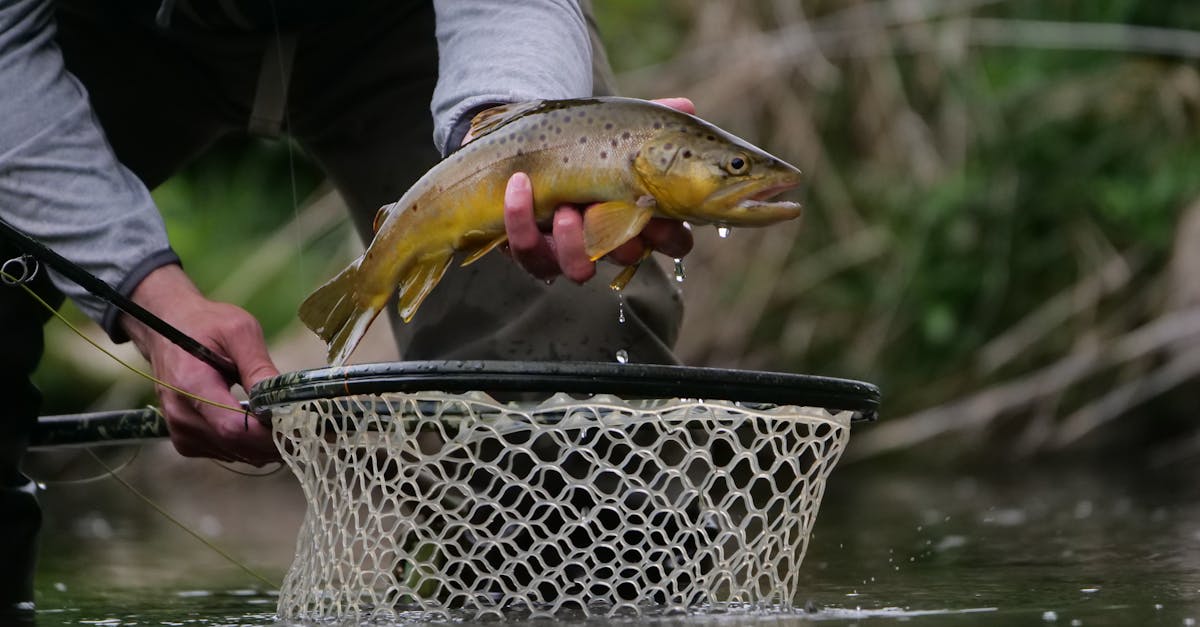
1985: A turning point for river nets
On 6 May 1985 a conservation order in England tightened control over river drift nets in key salmon rivers, closing stretches to commercial drift gear to protect spawning runs. Enforcement by local river boards shifted the balance in favour of rod and line anglers and paved the way for later tighter measures on mesh sizes and seasonal closures. Salmon runs began to see measurable relief where strict local controls were applied, changing how rivers like the Trent and Wye were fished and monitored.
1992: The rise of club trout matches
Early May 1992 saw the debut of a formalised club trout match calendar across several English lakes, standardising weights, catch reporting and restocking commitments. Fishery managers adopted clearer rules: match lengths, catch-and-release protocols and mandatory stocking records. That season established norms that improved welfare on small stillwaters and encouraged many clubs to invest in habitat improvements and water quality testing.
Practical tie-in for modern UK anglers
Those two moves — tighter net controls and formalised match rules — still matter. Carry a landing net and scaled weigh slates, log catches, follow local byelaws and support river monitoring groups. Modern rod-and-line fishing in Britain runs on those decisions made in early May decades ago.
Recommended: portable weigh board